Wednesday, March 20, 2024

Heart Failure


                                                  Heart failure

                                                P. K. Ghatak, M.D.


The human heart is divided into 4 chambers. The two upper chambers receive blood and the two lower chambers - the right and left ventricles- discharge blood and are muscular in nature and are called muscular pumps. The right ventricle sends venous blood to the lungs for collecting fresh Oxygen and discharge Carbon dioxide. The distance between the right ventricle and lungs is short, and the right ventricle has to generate just enough pressure to send blood into the pulmonary capillaries.

The left ventricle is responsible for sending fully oxygenated blood and nutrients to every cell of the body and requires to generate much higher pressure and has a thick muscular wall.

The failure of one or both ventricles to send blood out to their respective destinations happens when ventricular muscles become weaker. This is medically termed as heart failure; it may occur only on the right side, in which case it is called right ventricular failure, and similarly, when only the left ventricle fails, it is called left ventricular failure. Often, one ventricular failure progresses to both heart failures and also both hearts may fail simultaneously. If heart failure happens suddenly, it is called acute heart failure – either acute right heart failure or acute left heart failure. And when heart failure develops over the years, it is called Chronic Heart Failure – chronic right heart failure or chronic left heart failure, or simple heart failure. Heart failure or ventricular failure is the same, and one term is used for the other quite frequently.

The cause of heart failure:

Blood is the vital fluid; the circulation of blood to every cell of the body is the only function of the heart. Blood loss due to accident or surgery and chronic anemia are known causes of heart failure, but are not discussed here.

Causes of Heart Failure:

The heart fails due to various medical conditions and the conditions are either congenital or acquired.

1. Abnormal Coronary Artery:

The ventricles of the heart are full of blood but unable to use that blood for their oxygen and nutritional requirements. Coronary arteries supply blood to the heart. Coronary artery disease is the most common reason the heart fails to supply blood to the heart. It may happen suddenly – known as an acute coronary event and unless immediate hospital treatment is received, a devastating result follows; the heart may fail slowly over the years – in this situation, angina pectoris (pain in the heart) is the main symptom. Then the heart muscles slowly weaken and fail.

High BP, high cholesterol, obesity, genetic predisposition, and diabetes are risk factors for the development of coronary artery disease. Initially, the endothelial cell damage separates cells and serum sips underneath the endothelial lining. A waxy deposit forms, pushing it inside the lumen of the vessel, blood flow slows and that manifests as angina pectoris. From time to time, the waxy plaque breaks and sends the tissue debris further into a smaller arteriole and precipitates a heart attack. In the raw area of the wall - the site of plaque break, platelets accumulate to plug the raw area by forming a platelet clot, followed by a blood clot that develops and blocks off the coronary artery. 

  1. Diabetes mellitus.

This condition is steadily increasing all over the world as more and more people are consuming factory-produced prepackaged food. Diabetes produces microvascular changes in the coronary vessels and many other organs. Plaque formation in the coronary artery leads to heart attacks as described above.

{wish to know how DM produces microvascular changes....https://humihealth.blogspot.com/2022/01/diabetes-mellitus-and-microvascular.html}

High BP causes the ventricular muscles to undergo hypertrophy in order to overcome the resistance offered by high BP. Coronary arteries pass through the layers of the heart muscle and every time the ventricles contract, the coronary artery is pinched off. Higher BP means more pinching and less and less blood flow to the ventricles. If high BP is not controlled, the heart muscles weaken and fail.

These three conditions are the main causes of heart failure.

   4. Pulmonary embolism.

Deep seated veins of the thigh and pelvis, under certain conditions, spontaneously develop blood clots. Venous clots are fragile and easily break off and are carried by the venous blood to the right side of the heart. The right ventricle pushes these clots into the pulmonary artery, and the clots block pulmonary arterial circulation. Patients experience severe chest pain, palpitations and begin to sweat and soon go into shock. Blood returning to the left ventricle from the lungs is markedly undersaturated and patients develop central cyanosis. Symptoms of hypoxemia are soon followed by cardiac arrhythmias and shock, which do not reverse with beta-adrenergic drugs and other measures. Death follows hours or in a day or two.

The above 4 are also examples of output failure of the ventricles.

  1. Cardiac tamponade and pericardial effusion.

When the pericardial cavity is filled with blood because of a direct injury or due to rupture of the heart from other causes, there is little space remaining in the ventricles to receive blood. This condition produces stagnation of blood in the pulmonary circulation and is followed by the systemic circulation. Cardiac arrhythmia and shock soon follow.

  1. Constrictive pericarditis.

Certain infective pericarditis ends in thickening of the pericardium and sometimes develops calcification. The symptoms produced in this condition are not that dramatic, but nevertheless serious enough to threaten the life of a patient if prompt treatment is not forthcoming.

  1. Myocarditis and dilated cardiomyopathy.

Viruses commonly associated with myocarditis are Adenovirus, Parvovirus B19, Human Herpes virus 6, Epstein-Barr virus, Human Cytomegalovirus, and Enterovirus. Initial inflammatory cell infiltration of the myocardium is followed by fibrosis. The ventricular muscles become weak and unable to meet the body's demand, and the heart fails. In this condition, dilated cardiomyopathy and atrial fibrillation and ventricular fibrillation may end life earlier than heart failure.

  1. Subacute bacterial endocarditis.

Streptococcus viridans infects damaged or deformed heart valves – the mitral and aortic valves are mostly bacterial growth. This produces further damage to valves and other vulnerable ventricular structures and systemic sepsis leads to organ failure and death.

Staphylococcus and many other bacteria and fungi are capable of causing myocarditis and more easily damage heart structures.

  1. Infiltrative diseases of the heart.

Like inflammatory cells, other substances like iron, copper, and amyloid, a proteinaceous material, infiltrate ventricular muscles. This interferes with ventricular functions and eventually the heart fails.

  1. Radiation and chemotherapy.

Doxorubicin and other chemotherapy drugs and radiation therapy are cardiotoxic and ultimately produce cardiac fibrosis and heart failure.

Examples 5 to 10 are also considered diastolic dysfunction of the ventricles (defect in receiving blood).


Other less common but significant causes of heart failure.

  1. Morbid obesity and Kyphoscoliosis.

The way the heart functions normally requires free movements inside the chest cavity, as it beats. These two examples and several conditions put strain on the heart, and the right ventricle fails first.

2. Malignancy.

Tumors of the heart are rare. Rarely, sarcoma of the heart is encountered. It is not an easy task to care for.

  1. Congenital defects of the heart.

The advent of Doppler Sonography makes it possible to examine a developing child in utero and if there are structural defects of the heart, that can be surgically repaired at that time or shortly after birth. This has eliminated many instances of heart failure. Just to mention some well known congenital heart lesions are Atrial Septal Defect (ASD), Ventricular Septal Defect (VSD), Pulmonary Stenosis (PS), Fallot Tetralogy and Transposition of Great Vessels. Hypertrophic cardiomyopathy is congenital, but symptoms start at age 16 -18. In the congenital anomalous origin of a coronary artery arising from the coronary sinus, venous blood circulates through the myocardium. In postpartum, the baby fails to thrive and dies if the condition is not recognized soon enough. 

  1. Acquired heart valve defects.

Rheumatic fever, at an earlier time, produced havoc with the lives of many young individuals. The streptococcus sore throat is the initial illness, followed by 2 weeks later by joint pain and heart murmurs, the Mitral valve is always affected and often associated with the Aortic valve

  1. Atrial fibrillation and ventricular fibrillation.

These two heart rhythm abnormalities are seen less frequently in otherwise younger, healthy individuals and are considered as diseases of the old. However, cocaine, amphetamine and cannabis users are distinct health hazards. When ventricles pump 250 -300 beats per minute, this is hardly enough time for blood to enter the ventricles and cardiac output falls precipitously. It does not take much for patients to lose consciousness and, without treatment die from shock. In ventricular fibrillation, the heart does not actually contract, and blood remains in the cavities of the ventricles, and blood circulation ceases.

 The New York Heart Association classified heart failure into 4 categories based on the severity of the symptoms. In category 1 - patients have minimal symptoms, in category IV - patients are bedridden and totally dependent on others for the activities of daily living. Categories II and III are in between Categories II and III.

This list of causes of heart failure is short; conditions that are not primarily cardiac are not included in this article.

This blog may be better understood if a previous blog, Human Heart, is also reviewed at the same time.

https://humihealth.blogspot.com/2019/03/the-heart-and-heart-failure.html   (Copy and paste on your browser).

revised July 2025

**************************************

Sunday, March 17, 2024

Toxoplasma gondii

                                                  Toxoplasma gondii infection

                                                               P.K. Ghatak, MD 


Toxoplasma gondii

Toxoplasma gondii is a protozoan. It lives in cats' intestine as a parasite. Cat eliminates it in the feces in a cystic form, The cysts are highly infectious to birds and mammals. . Rodents and small mammals are intermediate hosts, and humans are intermediate hosts and victims.

Toxoplasma needs a higher concentration of arachidonic acid, a long chain fatty acid, for sexual maturity and reproduction. All species of cat family provide that environment because the enzyme, delta-6-desaturase (D6D), which breaks down arachidonic acid during metabolism, is lacking in the cats' small intestine.

Toxoplasmosis is a medical term describing clinical features of Toxoplasma gondii (T. gondii) infection. T. gondii  lives inside the cells as a parasite in hymans and other mammals. 

Eating undercooked meat, raw fruits, vegetables,  and drinking unfiltered water contaminated with cat feces are the main sources of human infection. In rare cases, blood transfusion, organ transplantation and infection to the developing fetus can occur. Most infected people show no symptoms, however, the developing child in the mother's womb during  the first pregnancy and Immunosuppressed people become sick.

There are three infectious forms of T. gondii, - 1. sporozoites - present in the feces of cat as oocysts (thick wall cysts containing multiple larvae), 2. tachyzoites (rapidly multiplying by asexual cell division) and 3. bradyzoites (slow growing or dormant) - present in the muscles and organs of infected mammals.

Life cycle of Toxoplasma.

T. gondii has a complex life cycle.

In cats:

All species of the cat family are carnivorous, when they devour infected prey, the cysts are released in the small intestine. The wall of the cysts opens and releases sporozoites. Subsequent development of T. gondii takes two different pathways.

  1. As an intestinal parasite.

In 3 to 10 days, the sporozoites mature as male and female gametes and after mating, they begin to reproduce million of cysts daily and it continues for 14 days.  These cysts mature in the soil  and become infectious in a day or two. The cysts can survive about a year in the soil and  also in water

  1. As cysts in muscles and organs,

Some of the released sporozoites penetrate the intestinal wall and are carried by the blood to different organs and muscles. The sporozoites asexually divide rapidly and are called tachyzoites. Later, tachyzoites stop dividing and form cysts and are known as bradyzoites. Cysts in the muscles, heart, eyes and other organs can stay alive  and complete their life journey when other carnivores eat that cat.

In rodents, mammals and humans:

Infection is via the oral route. In the intestine, the T. gondii follows the 2nd path described for cats.


                                         Taken from CDC publication.


Primary infection occurs in healthy adults.

About 50% of infected people have no symptoms, the rest have symptoms resembling a flu with slight fever, body aches, cough and sneezing. Cervical lymph node enlargement is a distinct feature, at times, lymph nodes draining the thorax may enlarge. Viral pneumonia like symptoms may develop in some. Rarely, skin lesions of various definitions are also described. Cysts, containing a live T. gondii, remain in the muscles, brain, heart, eyes and other organs for the rest of the life of an individual.

Pregnancy:

In the first trimester of pregnancy, if a woman is infected, there is a good chance that infection from the placenta will pass to the fetus. This may result in a miscarriage and spontaneous abortion. A growing fetus examined by ultrasonography shows growth retardation and a characteristic triad of hydrocephalus, chorioretinitis and areas of calcification of the brain. Eye infection leads to congenital blindness. And sensory deafness in 30% of cases.

In the last trimester of infection, it produces mainly blindness.

Latency:

In all healthy people, T. gondii after the initial infection, remains in an inactive state. The organism, however, is still alive within the cysts and lasts for the rest of the life of the individual.

Reactivation:

When inter-current infections and HIV infection, lower the cellular resistance of humans or immunosuppressed drugs are used, the cellular resistance breaks down and T. gondii spread throughout the body. The CNS and eye symptoms predominate.

The Brain:

Mass lesions, like cerebral lymphoma, are present in many cases; in most of the cases,  necrotizing lymphocytic vasculitis and microglial nodules around the cysts are present. These produce seizures and symptoms of encephalitis. The common areas of the brain are the symmetrical lesions in the white matter of the cerebral cortex, the thalamus, the brain stem, and the cerebellum. Symptoms are headaches, confusion, a seizure, inability to concentrate, clumsiness of movements, fever and nausea and vomiting.

Eyes:

Necrotizing lesions of choroid and retina of the eyes produce poor vision and blindness.


Diagnosis:

The initial test is IgM and IgG antibodies against T. gondii. If a biopsy is performed, the T. gondii is visible within the cells. In most cases, a PCR test to detect DNA of T. gondii has become a standard test. In encephalitis, the PCR test of CSF is 100% positive.

In suspected mother to fetal transmission, an amniocentesis and PCR test is performed on the amniotic fluid.

Treatment:

Normal adult people with T. gondii infection require no medication. In a developing fetus, even if infection is confirmed, no anti-protozoal drugs are prescribed because of adverse effects. After the birth of the baby, the choice of therapy is a combination of Pyrimethamine and Sulfadiazine. Infections of pregnant women, if the child is not infected, - Spiramycin is the preferred therapy. If the child is infected, then no treatment is given to mothers in the first trimester because drugs can cause deformed brain development and low platelet count of the child. After 16 weeks of pregnancy, Pyrimethamine and Sulfadiazine plus folinic acid are prescribed.

In all other infections, the drug of choice is a combination of Pyrimethamine and Sulfadiazine; Folinic acid is added to prevent anemia.

Children with congenital deafness, 16 months of therapy is advocated.

Prophylaxis in HIV infection and immunosuppressed individuals.

Pyrimethamine plus Sulfadiazine should be continued.

Vaccine:

No vaccine is available.

Prevention:

Good hygienic measures and avoiding undercooked meat and unwashed fruits and vegetables.

edited: November 2025

*******************************************


Wednesday, March 13, 2024

Burkitt Lymphoma Virus


                                                   Burkitt-Lymphoma Virus 

                                             Now known as Epstein-Barr Virus

                                                     P.K.Ghatak, MD.


Epstein-Barr Virus (EBV) was originally known as Burkitt Lymphoma Virus.   Dr. Denis P. Burkitt (from Ireland), a surgeon working in Uganda, reported a highly aggressive Head and Neck lymphoma of children in 1958. He sent biopsy specimens to Dr. Epstein, a Pathologist in the UK. Dr. Epstein, a virologist from Ireland and Dr. Achlonga, a Pathologist with an interest in electron microscopy originally from Trinidad, worked together and identified a virus in the biopsy tissue. They reported their finding in 1964 and named the virus, Burkitt lymphoma virus. This is the first virus identified as the cause of human malignancy – the first human oncogene. The virus is known today as Epstein-Barr virus - EBV in short.

This article on EBV is the 3rd and last of a series of viruses after producing the primary illness, then enter a latent period. In certain circumstances, the virus is reactivated and produces different illnesses. The EBV infects B-lymphocytes and B-memory cells and remains dormant in these cells. EBV is known to produce several malignancies and other medical illnesses when it reactivates.

In a previous blog, many aspects of the EBV were discussed, this article is a supplement to - 

https://humihealth.blogspot.com/search?q=Epstein+Barr+virus.

EBV infects children and young adults worldwide. Saliva of the infected people contains EBV and kissing is the common mode of spread of EBV. Contaminated utensils, food and drinks are additional modes of spread. Blood transfusion, organ transplants and sexual activity also spread EBV.

Infectious Mononucleosis is the primary illness.

Incubation period is long, 4 to 6 weeks. The symptoms are that of a URI, but distinctive features of EB virus infection are enlarged and edematous tonsils. Posterior cervical lymph node enlargement in addition to enlarged circular and longitudinal chains of cervical nodes and occasionally intrathoracic and axillary lymph nodes enlargement. The spleen is enlarged and may rupture with minor trauma. Liver enlargement is also seen

Another distinguishing feature is salmon colored morbilliform eruptions on the trunk in about 10% of cases; those who do not have skin lesions will develop itchy but similar skin eruptions if they receive Ampicillin. Peripheral blood examination shows lymphocytosis and large atypical lymphocytes - resembling monocytes, and that was the basis of calling the illness as Infectious mononucleosis. IgM antibody appears early and persists for 6 weeks, the IgG antibody appears later and remains positive for the life of the patient.

Latent period:

The latency is divided into 3 stages.

In the 1st stage of latency, the virus remains totally inactive, except in Burkitt lymphoma. The initial adenopathy progresses to lymphoma in a short time.

In the 2nd stage, the virus is only partly active and interferes with nucleic acid synthesis of the host cells, this results in gene mutation and subsequently chromosome breakage and fusion of genes.

In the final 3rd stage, the EBV is fully active and produces several malignancies and illnesses as listed below.

Illness produced after the virus is reactivated:

A. Malignancy-

Evidence points directly to EBV.

  1. Burkitt lymphoma.

  2. Undifferentiated Nasopharyngeal carcinoma.

  3. Hodgkin lymphoma and perhaps non-Hodgkin lymphoma.

  4. Lymphomas - designate as 1. Diffuse Large. 2. B-cell. 3. Extranodal T/NK. 4. Plasmablastic.5. Primary diffuse.

  5. Hairy cell leukemia.

Evidence of EBV is strong but the question remains -

  1. Epithelial cell cancer of the stomach.

  2. Epithelial cells cancers of Tonsils, Thymus, Breasts, Skin, Uterine cervix,

  3. Lymphoepithelial cancer of salivary glands.

Questionable association with EBV -

  1. Renal cell cancer

  2. Thyroid gland

  3. Urinary bladder.

  4. Leiomyoma / Leiomyosarcoma.


B. Non-Malignant Diseases.

Autoimmune diseases like 1. Sjögren's syndrome 2. Rheumatoid arthritis. 3. SLE, 4. Type 1 Diabetes mellitus. 5. Hashimoto thyroiditis. 6. Graves' disease. 7. Multiple Sclerosis. 8. Hairy Leukoplakia.

Chronic illness.

    1. Long COVID-19

  1. Chronic Mononucleosis. Symptoms are fatigue, fever, lymph node enlargement, Hepatosplenomegaly, headaches, joint pain and muscle pain.

  2. Parkinson's disease and Acute cerebellar ataxia.

  3. Irritable Bowel syndrome.

  4. Chronic fatigue syndrome.

**********************************************************

Monday, March 11, 2024

Chickenpox

                                               Chickenpox (varicella)

                                                P.K. Ghatak, MD.


Varicella virus causes Chickenpox when a person contacts the virus for the first time. After recovery, the virus remains dormant in the nerve cells of the cranial nerve ganglia, the dorsal root ganglia of the spinal cord and the autonomic ganglia, for the entire life of the individual. In an opportune moment, the virus re-emerges and produces Zoster (Shingles) and occasionally produces more serious neurological complications. The virus called Varicella Zoster Virus (VZV)

VZV is an alpha herpesvirus. It is human herpesvirus 3 and has almost identical genomes of the Simian Pox virus (SPV). Some of the pathophysiological features of VZV are similar to Cytomegalovirus.

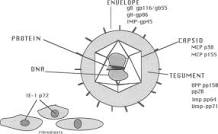
VZV has a double-stranded DNA genome, surrounded by a nucleocapsid followed by a protein integument and a lipid envelope.

The initial infection activates cellular immune reactions followed by IgM, IgG, and IgA antibodies production. Cellular immunity provides lifelong protection.

In the USA, a vaccine is routinely administered as a part of childhood vaccination, the vaccine is made from attenuated live VZV. Adults over 50 years of age are urged to take a second approved Zoster vaccine. This is a non-live recombinant zoster vaccine. It is given by intramuscular injection – two doses 2 to 6 months apart. It reduces the risk of herpes zoster by 92 %. The vaccine is named Shringrix and it protects vaccinated people for up to 9 years.

Clinical features of Chickenpox.

Chickenpox infection is a common infection of childhood. It is a highly communicable disease. It is estimated that over 90 % of the world population had chickenpox. The mode of infection is by droplets and also the virus becomes airborne from a raw wound of an open vesicle. The incubation period in 10 to 15 days may be delayed to 3 weeks. The initial symptoms are cold and cough, fever, and body aches, followed by erythematous skin rashes, followed by papular eruptions, which appear the next day. The papular lesions appear first on the chest, back and then on the face, followed by outward spread to the arms and legs but no lesions appear on the palms and soles. In 2 to 3 days, vesicles become embellicted and crusted. Mixed rashes consisting of papules, vesicles and crusted lesions are present at any time, which is a distinguishing feature of chickenpox from smallpox. The skin rashes are intensely itchy. In about one week, the scabs begin to fall off. From the day of onset of respiratory symptoms to crusting, all vesicles of the patient remain infectious.

Vulnerable populations are pregnant women who did not have chickenpox before. HIV infection, cancer chemotherapy, long term steroid therapy, and organ transplant patients.

Complications:

Young adult male and adult males in some instances develop orchitis, epididymitis and testicular atrophy. In a few cases, pancreatitis is reported. In rare cases, viral pneumonia can occur.

Neurological complication from Chickenpox.

The common neurological complication is cerebellitis (infection of the cerebellum). In rare cases, central vein thrombosis and strokes are recorded.

Since childhood vaccination was introduced in the USA, hardly any new cases of chickenpox are seen. Immune status is judged by serology. It is a mandatory test for all prenatal care in the USA.

Diagnosis and Treatment:

Clinical features are distinct and since most older adults had chickenpox, that helps them in diagnosis. In doubtful cases, viral DNA, a specimen obtained from a vesicle, by PCR may be required.

The choice of antivirus drug is Acyclovir. The oral dose is 800 mg, given 5 times a day for 5 days, (200mg/Kg/day). Other antivirals used in Cytomegalovirus infection are also effective in chickenpox.

Varicella-Zoster Immune Globulin (VZIG):

VZIG is given as IM injection, never by IV. The therapy is a passive transfer of immunity in life-threatening situations.

Indication of VZIG.

Premature infants of immune-negative mothers. Pregnant women past 1 week of gestation with unvaccinated or negative history of previous VZV infection (seronegative). Bone marrow transplants in seronegative patients. Immune compromised patients.  Passive immunity is followed by vaccination. 

Reactivation of VZV.

Immunosuppressive conditions lead to the reactivation of VZV.  Nerve cells of all cranial nerve ganglia, Autonomic ganglion and sensory Dorsal Root Ganglion of spinal nerves are at risk of resurgence and Zoster lesions. The virus produces vasculopathy with loss of cells and focal migration of inflammatory cells and giant cell formation. This causes pain, paresthesia and loss of motor function of the dermatome the nerves supply. The pain is sharp and severe and localized to the dermatome involved and strictly limited to one side of the body. The motor fibers of the spinal cord are commonly affected, producing palsy (partial paralysis). The vesicles appear as bunches, like grapes, are strictly limited to the side of the body and do not cross the midline. Multiple dermatomes and contiguous dermatome and multiple dermatomes of different areas of the body may be involved. In some instances, no skin lesions develop, only pain is experienced.

The common places herpes zoster appears are the chest wall, followed by the face. Of the cranial nerves, the 5th cranial nerve is most common. It produces pain and vesicular lesions of one half of the face, eyelids, and forehead.

In rare circumstances, the virus travels to the brain and meninges via the sensory nerve from the Geniculate ganglion (ganglion of the 5th cranial nerve) producing meningoencephalitis.

Ramsay Haunt Syndrome:

Ramsay-Hunt syndrome is a special case of herpes zoster involving multiple cranial nerves. The ganglia of the 7th,8th, 9th, and 10th nerves are involved. This causes severe pain, vesicular eruptions on dermatomes and mouth, tongue, and throat of the area supplied by the nerves. Skin lesions appear on the external ear canal, pinna (supplied by 10th), one half of the anterior 2/3rd of the tongue and soft palate and uvula. 7th cranial nerve lesions produce lower motor neuron paralysis and the stapedius muscle. 8th cranial nerve lesion produces loss of hearing, tinnitus, nausea, vomiting, vertigo and nystagmus. 9th and 10th cranial nerve lesions result in paralysis of the tongue, muscles of deglutition. Chorda tympani nerve lesion causes loss of taste sensation.

Diagnosis and treatment:

Clinical features are diagnostic and confirmation if required, the PCR test for viral antigen is available. The choice of antiviral agent is Acyclovir. Other antiviral agents used in chickenpox are also effective in Zoster lesions.. In addition to viral therapy, prevention of secondary bacterial infection of the skin and mouth lesions and adequate management of pain by opioid derivatives by mouth should be provided.

*******************************************************


Wednesday, March 6, 2024

Cytomegalovirus


                                                             Cytomegalovirus;

                                                             P.K. Ghatak, MD.


                                                        Cytomegalovirus.

Cytomegalovirus belongs to the Beta Herpesvirus group. Cytomegalovirus is species specific. Herpesvirus 5 is a Human Herpesvirus. Genome specific virulence is characteristic of this virus. It prefers to grow in human fibrocytes and produces a large inclusion body. This gave this virus its name as " large cell” Cytomegalovirus 5 (CMV). Once inside the human body, it produces primary infection and after the infection subsides, CMV hibernates in lymphocytes, monocytes, dendritic cells and CD34+ cells and remains dormant for the entire life of the person.

The virus is large, has a diameter of 200 nanometers and the nucleus contains double stranded DNA and the virus is shaped like a disk. CMV has a large genome with an icosahedral capsid and a dense core surrounded by an amorphous matrix.

Humans are infected in several ways –

 1.  During close contacts with an infected person.

2.  From saliva and ingestion of contaminated food and drinks.

3. Via blood transfusion, bone marrow and solid organ transplantation.

 4. Sexual contact.

 5. Placental transmission to fetus.

6. Through breast milk.

The percentage of the population infected with CMV varies from 100% in underdeveloped countries to 40 to 60 % in advanced nations.

The incubation is 8 days to 8 weeks, the majority of infections, in both healthy children and adults, produce minor cold symptoms or no symptoms at all. The only evidence of infection is the séropositive.

In Immunodeficient patients:

The infection is widespread in immunodeficient patients and people on immunosuppressed drugs. CMV infects any organ of the body and in the majority of cases, most organs are infected and the outcome is generally bad. Cell mediated immunity is the primary defense against CMV infection. HIV infection and other clinical conditions where CD4+ and CD8+ cell counts are low, the widespread infection is common. Even after a successful antiviral therapy, the recurrence of infection and chronic infection are common.

CMV remains dormant within the cells and reemerges following other viral infection or other illnesses. This characteristic is similar to varicella virus, Epstein Barr virus and Toxoplasma gondii (a protozoa).


Clinical picture:

The young symptomatic patients present with fever, pharyngitis, cervical adenopathy, and upper and lower respiratory infection. A morbilliform skin rash is generally present, however, skin rashes of various other kinds are also seen. Blood tests may show atypical lymphocytes but the heterophile antibody test is negative (modified Paul Bunuel Test)

In more serious infections, hemolytic anemia and thrombocytopenia are present. Gastritis and colitis may develop. When GI and urinary systems are infected, a prolonged viral shedding is a common occurrence. Meningoencephalitis, myelitis, retinitis, uveitis, and neuropathy are some of the serious aspects of nervous system infection.

The CMV infection is difficult to differentiate on clinical grounds from Infections Mononucleosis. In CMV, the fever generally lasts longer and lymph node enlargements are less extensive.

The definitive diagnosis is by detecting DNA of CMV by the PCR method. Blood, urine, and saliva are suitable for PCR tests but a blood test gives the most conclusive evidence of CMV infection. In post-transplant patients, tissue biopsy is the preferred test.

Important clinical situation of CMV infection.

A. Congenital CMV (cCMV) infection.

B. Stem cell transplantation in hematological malignancy and solid organ transplantation.

 Congenital CMV infection (cCMV).

If a previously uninfected pregnant woman acquires CMV infection in the first trimester, the virus infects the placenta and then infects the developing embryo. Two areas of infections are most critical.

1. Brain development abnormalities and related symptoms 

2. Sensory deafness and blindness.


 Congenital CMV brain and clinical features (cCMV)

Microcephaly, seizure disorder, cerebral atrophy, cystic lesions in the temporal lobes, periventricular calcification and dilated cerebral ventricles, and demyelination. Delayed fetal growth is common.

These changes clinically resemble Cerebral palsy, Multiple sclerosis, Peripheral neuropathies, Leukoencephalomyelitis, and Aicardi-Goutières syndrome (a rare congenital gene mutations resulting in deformed brain and skin lesions).

2. The cCMV is the leading viral, non-genetic, cause of congenital sensory deafness.

Congenital eye infection is a leading cause of childhood vision problems and blindness. Chorioretinitis, uveitis, ophthalmitis and optic atrophy are manifestations of CVM infection. Blindness is due to optic atrophy and detached retina from fibrosis as chorioretinitis heals.

B. Stem Cell Transplants and Solid Organ Transplants, and their relation to CMV.

General consideration.

The CMV status of the recipients is determined by the presence of IgM and IgG antibodies. In allogeneic hemopoietic stem cell transplants, the donor CMV antibody status and immunohistopathology examination of tissue are collected. After the transplantation, if recurrence of CMV is suspected, several additional tests are performed. Presence of Leukocyte CMV pp65 antigen indicates infection and QNAT (quantitative nucleic acid test) is done to determine the viral load.

In both stem cell and solid organ transplants, if the recipient is seropositive, but the donor is seronegative, then the outcome of the transplant is the best. The worst outcome in a situation where the recipient is seronegative and the donor is seropositive. CMV virus reactivates because the use of immunosuppressive drugs depresses T-cell count. Immunosuppression is needed to prevent transplant rejection. The graft versus host disease is another cause of reactivation of CMV. Loss of life occurs in overwhelming CMV infection.

T-cell and Hemopoietic transplant.

During the pre-transplant phase, a high dose of immunosuppressive drugs is used to wipe out all malignant cells from the body. The T-cell count falls to the lowest levels. This is the prime reason for the subsequent reinfection.

Prophylaxis against CMV infection.

The choice of drug is Valganciclovir. It is an oral prodrug of Ganciclovir. Ganciclovir is converted to triphosphate form and inhibits DNA replication of CMV. It can produce cytopenia.

Acyclovir is also used. It is given 800 mg 4 times a day for 12 weeks. Nephrotoxicity and cytopenia are the main side effects.

Other drugs:

a. Letrovir. It inhibits viral terminase enzyme and thereby viral replication. Leterovir can be used more than 100 days without any additional side effects.

b. Foscarnet. It is a phosphate analog of ganciclovir. It inhibits the polymerase enzyme. Furthermore, it is less toxic to bone marrow.

c. Mribavir. It is a benzimidazole antiviral drug. It prevents viral UL97 enzyme. It inhibits viral polymerase.

d. Cidofovir. It is anucleotide analong inhibits polymerase enzyme, given IV weekly.

e. Brincidofovir. It is an oral analog of Cidofovir.

Adoptive T-cell therapy.

Harvested T cells, matched for HLA, are incubated with specific CMV antigen protein. The engineered T-cells are made to multiply in large numbers and then transfused. This is a newer method to control infection in CMV resistant to all drugs.

Vaccine:

A vaccine – Transvax contains a viral plasmid that encodes pp65 and gB glycoprotein, is in use in a pilot study. Two other vaccines, CyMectin and AVX601, contain a viral DNA subunit and use a vector to deliver it.

Treatment of CMV infection/recurrence.

Drug of choice for treatment of CMV viral infection and recurrence is Ganciclovir. Ganciclovir is given 5 mg/Kg/ every 12 hrs. for 14 to 21 days.

Acyclovir is effective but the response in individual patients varies. It is given IV 500 mg per square meter of body surface every 8 hrs. for 2 weeks. A small amount of TNF given with Acyclovir greatly increases the therapeutic effects of acyclovir.


****************************************************


Saturday, February 17, 2024

Prion Diseases

                                     Prion Diseases

                                               P.K. Ghatak, MD

Draft CJD:

Creutzfel

1. Creutzfeldt-Jakob Disease.

In 1922, a German neurologist Hans Gerhard Creutzfeldt described a patient with a neurodegenerative disease. Alfon Maria Jakob described 4 more cases of rapidly progressive neurodegenerative disease, just as Creutzfeldt described. Dr. Jacob credited this new disease to Dr. Creutzfeldt. This rare but an important infectious disease is known as Creutzfeldt-Jakob disease (CJD).

What causes CJD.

It is a Prion (PrP)

These are several ways people can be infected.

  1. Spontaneously evolved – spPrP.

  2. Consuming beef of animal suffering from Mad-Cow-Disease.

  3. PNRP (gene controlling Prion generation) mutated gene inherited in Autosomal dominant manner.

  4. Receiving contaminated Corneal transplants, and injections of Pituitary Growth Hormone extracted from cadavers.

The CJD is a very rare disease, the incidence is about 1 in 1 million in the general population worldwide and inherited CJD is only 7.5% of cases of CJD, the remaining 85 % cases arise sporadically from an unknown cause.

Symptoms:

In the majority of cases, the initial symptoms are progressive dementia, ataxia and behavioral abnormalities, beginning at the age of 55 to 75. Soon patients have dysarthria, myoclonus and mutism. There is rapid deterioration of condition and the majority of the patients are dead within 6 months, rarely a few survive for 2 years.

Diagnosis:

EEG shows triphasic sharp waves.

CSF :

Recently, a new laboratory method has been used, called QUIC or RC QUIC to multiply PrP sc protein in the CSF or other tissues in sufficient amount for a positive identification of CJD disease.

MRI of the brain typically shows punctate holes in the caudate nuclei.

Histopathology:

A combination of neuronal gliosis of Astrocytes and spongiform lesions.

Diagnostic test is Western blot detecting PrP sc protein. QUIC is a preferred test nowadays.


2. Variant CJD.

In 1996, the first human case of mad-cow disease was described. It is called Variant CJD (vCJD) to distinguish from non-animal source of Prion disease. Clinically and pathologically, both forms of CJD are the same. Prion particles are concentrated in the brain and nervous tissue of cows, once the practice of adding nerve tissue of dead animals to animal feeds was discontinued, the Mad cow disease and vCJD disappeared.


3. Gerstmann-Straussler-Scheinker syndrome (GSS) is a very rare disease.

Symptoms develop with dysarthria followed by cerebellar truncal ataxia and progressive dementia. GSS is also a highly progressive and fatal disease.

The defective gene in GSS is not the same as CJD. The P102L gene mutation on chromosome 20 is present in GSS.


4. Fatal Familiar Insomnia.

Initially, symptoms include hallucinations and panic attacks. A few months later, patients are unable to fall asleep, rapidly lose weight, and develop dementia and die. Mutation of the PRNP gene is responsible for this disease.


5. Kuru.

Headhunters of Papua New Guinea used to be cannibals. They ate the brain of their victims and cooked the brain of their deceased relatives and consumed it during funeral ceremonies. They suffered a terrible neurodegenerative disease involving muscles of the trunk and extremities.

************************************

Prion


                                                        Prion

                                P.K.Ghatak,MD

Dr. Daniel Carleton Gajdusek in 1957, while studying a spongiform encephalitis called Kuru, in the local population of Papua New Guinea who were cannibals, proved that Kuru was an infectious disease when he successfully reproduced the disease by injecting the brain extract of Kuru victims in chimpanzees. He theorized Kuru was due to a slow growing unknown virus. It became evident that it was not a virus because Ultraviolet radiation did not kill the infective agent, on the other hand, was sterilized by a protein alerting chemical, bleach.

 In 1982, Stanley Prusiner of University of California at Sans Francisco called the infective agent "a proteinaceous particle and named it Prion.

Prion is simply a protein molecule made up of 259 amino acids. All living animals and plants, including yeast, have prions in the cell membrane and in the cytoplasm. Neurons have the highest concentration of normal Prion molecules.

Chemical compounds like toxins, snake poison, etc., are also compounds of proteins but Prions differ from toxins in that Prions multiply in huge numbers in the victim's body, whereas poison and toxins do not. The Medical community was naturally skeptical that an inert protein molecule could multiply in a victim without having Nucleic acids or DNA or RNA.

Dr. Prusiner proved that the infectious Prion (PrP sc), once introduced into the living cells it induces a change of configuration of normal similar protein molecules to adopt the shape and appearance of the PrPsc. The newly formed PrPsc, in turn, makes changes to more protein molecules and the chain reaction follows.

Normal protein molecule is alpha helical in their molecular folding, but abnormal Prion takes beta helical folding. Misfolded protein molecules prevent cells from carrying out normal cell functions, including elimination of metabolic wastes. Accumulated wastes clog the cells to death. The brain cells (neurons) have a high concentration of Prion molecules. As the misfolded cells die, they leave behind many small voids in the brain matter. Loss of vital functions of the brain cells results in progressive dementia, a movement disorder, and other symptoms, leading to premature end of life. The pathological process is called spongiform encephalopathy because of the resemblance with a sponge.

In the normal individual, the nature has provided a gene called the PRNP gene, that regulates the rate of conversion of misfolded proteins. When a mutation occurs in the PRNP gene, the mutation is passed to the next generation by an Autosomal Dominant fashion. Normal prion protein PRNP codon 129 also exists in polymorphic forms in association with variants Type 1 and Type 2 genes, which arise out of coding errors for amino acid methionine and valine respectively. The combination of these mutations results in 6 subtypes. This explains the variable penetration and low frequency of disease despite dominant inheritance.

Daniel Carleton Gajdusek and Stanley Prusiner received the Nobel Prize in medicine in 1976 and 1999 respectively.

These are the notations used when referring to a particular Prion and a prion disease.

Normal- PrP.  Scrapi - PrPsc.  Creutzfeldt-Jackob disease - CJD.  Variant CJD - vCJD, Familial - f CJD, Spontaneous -sp CJD.

*****************************************************


Diseases caused by prions in humans are

CJD Creutzfeldt-Jacob Disease.

vCJD (variant CJD).

Kuru.

Gerstmann Straussler -Scheinker syndrome (GSSS),

Fatal Familial insomnia,


In mammals prion causes Scrapie in sheep,

Mad-cow-disease in cattle.

Chronic wasting disease in deer, elk, moose, reindeer and caribou.

******************************************

Saturday, February 10, 2024

Pneumocystis Pneumonia

                                               Pneumocystis Pneumonia.

                                                  P. K. Ghatak, MD


In 1980, the medical community was challenged by an outbreak of a new disease that was rampant in homosexual communities in the major US cities. Within a few months, it was found to be a viral infection. The patients were the immunocompromised individuals and the virus was called HIV (human immunodeficiency virus). An interstitial pneumonia was almost constantly coexisted with the HIV infection. The organism was Pneumocystis jirovecii, a unicellular fungus, and the pneumonia was called PJP pneumonia.


The history of Pneumocystis is interesting.

In 1090 Dr. Chagas was in pursuit of the causative organisms of Trypanosomiasis of South America. He discovered a few tiny organisms in the respiratory tract of some of the victims. He thought those were immature Trypanosome trophozoites. In 1909, Antonio Carnii found 3 cysts in the lung of children which were similar to Chagas' trypanosome but he did not think they were trypanosomes. In 1910 Delano of the Pasture Institute discovered similar cysts in a rat's lung and found that the organism had many features of a protozoan and named it Pneumocystis carnii. In 1999, molecular analysis of mRNA and mitochondria of the Pneumocystis was conducted by Otto Jiroveci, a parasitologist from Czechoslovakia. He identified Galactosaminogalactan as a signature for a fungus. The organism now classified as a unicellular fungus. Pneumocystis exists in nature in three morphological stages – Protozoite, Sporozoite and Cysts (spores). Distinct genomic variability exists between host-specific members of the genera. For the humans, the pathogenic organism is called pneumocystis jirovecii. It was so named to honor Otto Jiroveci's work.


PJP pneumonia.

This fungus is ubiquitous, and exists as a parasite in the lungs of mammals and humans. The children acquire this fungus by 3 to 4 years of age. It spreads from person to person by being airborne. In good health, no adults or children show any ill effects of this parasitic fungus.

In severely immunocompromised individuals, with a CD4 cell count of less than 200 micro L, the Pneumocystis becomes an opportunist pathogen. In the lung, it produces an interstitial pneumonia. The infiltrates are a perihilar distribution, called a bat wing pattern. Like a viral interstitial pneumonia, the patients become severely hypoxic due to low oxygen diffusion capacity with a wide A-a gradient. Most severe infections produce acute respiratory syndrome. Various systemic symptoms develop due to tissue hypoxemia, specially cerebral manifestations. Other non-pulmonary features are – a. severe bone marrow depression producing pancytopenia, b. lymphadenopathy. c. cotton-wool exudates in the retina, d. thyroid gland enlargement and gastrointestinal symptoms.

Common symptoms are – fever, unproductive cough, chest pain, shortness of breath, cyanosis and tachycardia.

Diagnosis:

High LDH is a characteristic feature. Pneumocystis trophozoites and cysts are recovered by warm saline induced sputum and from bronchoalveolar lavage fluids.


Treatment:

Severely ill patients require tracheal intubation and mechanical ventilation.

PJP are very sensitive to Trimethoprim-Sulfamethoxazole (TMP-SMX). Usually given by IV in an acute situation. In tablet form, it is used as chemoprophylaxis. Alternative to TMP-SMX chemoprophylaxis are Dapsone, Atovaquone and aerosolized Pentamidine.


Prognosis:

Before Retroviral therapy, the mortality from PJP pneumonia was 80-90 %.  The mortality is 10 to 20%.at present.

********************************************


Friday, February 9, 2024

Amoebiasis


                                                             Amoebiasis

                                 Diseases caused by Entamoeba histolytica and other species.

                                                     P.K. Ghatak, MD


Amoeba: it is a unicellular organism. The cytoplasm of the amoeba is jelly like and contains mitochondria, other organelles, a large nucleus and various sized vacuoles. The cytoplasm is encased within a double layered membrane. The outer layer of the membrane is tough and elastic. Amoeba crawls peculiarly and is known as amoeboid movement. There are microvilli attached to the outer membrane, which prevent the amoeba from getting stuck to any solid surface, and the outpouring foot processes – pseudopods, help them float in water. Amoeba surrounds food particles by encircling it with pseudopods and incorporates it in its cytoplasm and after digesting food with various enzymes, the waste is eliminated and in the cytoplasm, this creates vacuoles of various sizes. Amoeba propagates by binary division. In rare occasions, it produces multiple identical daughters. The cellular form of the amoeba is called trophozoites, and it also exists in a cystic form. The cysts are the infectious form.

Three species of amoeba are pathogenic for humans.

Entamoeba histolytica. It is the primary amoeba causing intestinal diseases and its various other sequels.

Acanthamoeba. It causes keratitis of the eyes. People wearing contact lenses are susceptible to infection with this amoeba and if keratitis is not properly treated, it can produce a corneal ulcer and loss of vision.

Naegleria fowleri is responsible for a highly fatal disease, amoebic meningoencephalitis.


Entamoeba histolytica.

Humans are the primary host and in endemic areas the local people develop a partial immunity and 90 % of infections produce no symptoms because perhaps the people develop a kind of parasitic tolerance with the amoeba colonies in the colon mucosa. People who are immune depressed or on immune suppressed therapy, specially steroids, are vulnerable to severe illness. Visitors are susceptible to acute amoebic dysentery and often develop symptoms after returning home. The amoebic cysts are infectious and the mode of infection is the oral-fecal route. The incubation period is 2 to 4 weeks.

The cysts pass unchanged from the stomach to the terminal ileum, and here the cysts break open and release young trophozoites. Trophozoites release protein digestive enzymes and phagocytize the surface enterocytes. The amoeba is antigenic to humans. The body responds by both innate and acquired immune systems. This results in acute inflammation and formation of minute abscess in the colon. The abscess ruptures, forming ulcers. Ulcers cause a mucus dysentery, abdominal cramps and frequency of bowel movements. Low grade fever and other systemic symptoms also develop.

Direct extension of colon infection to the right lobe of the liver, through the right hemidiaphragm, produces liver abscess and then to right lower lobe consolidation of the lung, lung abscess and pleural effusion.


Complications and sequels.

The following complication may develop -

1. Colon perforation, toxic megacolon, fulminant colitis - specially in the immune compromised victims.

 2. Chronic non-dysentery colitis – specially common in the local population.

3. A localized mass formation in the colon called Ameboma. 

4. Anal and perianal fistula.

5. In some cases, the amoeba borrows through the colon wall and enters blood circulation, and distant organs are infected. This may result in peritonitis, ascites, pericarditis and pleurisy. Fallopian tube and uterine amoebic ulcers, left lobe of the liver abscess, abscess of the spleen and the brain.


Naegleria fowleri.

N.fowleri lives in warm water of lakes, ponds and untreated swimming pools. It enters the body through the nose. The amoeba penetrates the cribriform plate of the roof of the nose and enters the base of the brain, and a meningo-encephalitis follows. Because of the presence of a blood brain barrier, no amoeba killing drugs are effective in controlling the infection. This results in a catastrophe, and the fatality rate is over 90 %.


Diagnosis:

Examination of stool for amoeba cysts used to be the only reliable method. In the past, diagnosis of Entamoeba histolytica had happened due to another amoeba, Entamoeba dispar, which is far more common intestinal parasite, and it does not cause any human diseases, but the cysts are identical with the pathogenic amoeba species. The PCR can be used to detect amoebic systemic infections. At present, distant infections and the brain infections depend on this test.


Treatment:

In the past, Metronidazole was used indiscriminately and now in the endemic area, the amoeba is resistant to it. Other imidazole compounds also fell to the same fate. Emetine injections are discontinued because of cardiotoxicity. Chloroquine and other synthetic quinine compounds are in use in tissue invasive types of lesions like abscess in the liver, etc. Broad spectrum antibiotics are sometimes combined with Chloroquine.

A chat below, taken from the CDC showing the recommendation for Entamoeba histolytica infection:


Table. Recommended Treatment for Entamoeba histolytica Infection in Adults

Infection Type

Agent

Dosage 

Asymptomatic 

Paromomycin

25 to 30 mg/kg/d in 3 divided doses for 7 days

Invasive disease

Metronidazole

750 mg 3 times daily for 10 days or 2.4 g once daily for 2–3 days

Invasive disease 

Tinidazole

2 g once daily for 3 days

Amebic liver abscesses

Metronidazole

750 mg 3 times daily for 10 days

Amebic liver abscesses

Tinidazole

2 g once daily for 3–5 days

Amebic liver abscesses

Chloroquine* 

600 mg once daily for 2 days, then 300 mg once daily for 14 to 21 days 


************************************************************


Monday, February 5, 2024

Giardiasis


                                                              Giardiasis.

                                              Hill diarrhea, Beaver fever,  etc.

                                                        P.K. Ghatak, MD


Giardiasis consists of a number of gastrointestinal diseases caused by Giardia duodenalis. Giardia is a flagellated protozoan, present in the water of the lakes and small streams contaminated by human and certain animal feces.

Giardia exists in two forms - the trophozoite and cyst forms. The cysts have a tough outer shell which protects and makes them survive a long time. The cysts are the infectious form, and humans are infected when they eat and drink contaminated food and water. The outer shell of the cysts dissolves in the small intestine and each cyst releases two Giardia trophozoites. The trophozoites live in the lumen of the intestine by attaching to the surface cells and also live in the crypts of the intestinal villus processes. They extract food and nutrition from intestinal cells. Giardia multiply by binary fission.

The presence of giardia trophozoites inside the intestine provokes the body to react by activating CD4 cells and Interleukin-6 (IL-6) and other cytokines. The cytokines cause inflammation and giardia releases enzymes which break down proteins that bind surface cells of the intestine. This results in cell loss of enterocytes and destruction of villi. As a result of villus atrophy and a reduction of the surface area of the small intestine occurs.


[Protozoa means “ The first animal “. It is a unicellular organism, having a central nucleus but lacks a well defined cell wall and organized mitochondria in the cytoplasm. Protozoa exhibits free movement and predation behavior and lives independently as a free agent and/or as a parasite.]


Diseases produced by Giardia.

A. Acute gastroenteritis. B. Chronic diarrhea. C. Malabsorption syndrome. D. Irritable bowel syndrome, lactose intolerance and other sequels.


Acute gastroenteritis.

Within 2 weeks following infection, the patient develops acute explosive watery diarrhea of foul fishy smelling stool, several times a day. The stool contains flakes of denuded intestinal epithelium and undigested fat, which floats on the surface. Campy abdominal pain is common, a low grade fever is seen in some cases. Weakness and debility follow. Diarrhea may last for weeks and can turn to a chronic condition.


Chronic diarrhea.

Without treatment, diarrhea in general does not subside. Frequency of liquid stool lessens. Nausea and anorexia develop.


Malabsorption syndrome.

Reduction in number and height of villi resembles changes seen in tropical sprue and gluten enteropathy. Loss of nutrients, vitamins and minerals results in general debility, loss of weight and patients become susceptible to frequent infections.


Sequels:


Intestinal bacterial overgrowth, specially the pathogenic group, results in increased IgA production. Immune reactions manifest as arthralgia, muscle pain and weakness, irritation and headaches. Some patients have an aggravated immune disease like a flare-up of Crohn's disease.

Development of Irritable Bowel syndrome is thought to be an imbalanced growth of

beneficial/pathogenic bacterial colonies. Lactose intolerance is also common.


Diagnosis:

In acute diarrhea, the stool examination will detect Giardia trophozoites and a few cysts. In chronic diarrhea, the trophozoites have time to change into cysts. Consequently, diagnosis depends on recognition of cysts in the stool. Fluorescence antibody testing increases detection of giardia.

In malabsorption, endoscopic small intestinal biopsy detects typical atrophic intestinal villi. Lymphocyte infiltration of crypts and giardia trophozoites.


Treatment:

In any stage of infection, Metronidazole and analogs of Metronidazole used to be very effective. But overuse and misuse resulted in drug resistance. In such cases, some are using Albendazole. The WHO recommends Quinacrine and related synthetic quinine tablets.

In pregnant women, Paromomycin is used. FDA recommends Nitozoxanid for children.


Prevention:

Because sheep, cattle, mask rates. Beavers, dogs, and other rodents are infected by giardia; it is difficult, if not impossible, to protect lakes and small streams that flow down the hills into the valley. Chlorination of water does not kill the cysts of giardia. Boiling water and microwave radiation will destroy giardia cysts. Basically, it is the task of the Public health officials to educate people about waterborne diseases and how to protect themselves.

***********************************

Archive

  Archive. P.K.Ghatak, MD 2025  March. Laser Endoscpoe 2025 February. Use of Ultrasound in Medicine MRI 2025 January. Bacteriology and Rober...