Saturday, September 28, 2024

Cyst


                                                                        Cyst:

                                                               P.K. Ghatak, MD


What is a Cyst:

A cyst is a closed sac found anywhere in the body that may contain fluid or any other material - pus, blood, air/gas, or other substances. A cyst has a complete wall, and the wall may be composed of one or more layers. The fluid-filled cysts, in general, have an epithelial lining. Cyst, unable to drain its content because it had no duct.

Types of Cysts:

1. Congenital. 2. Infective. 3. Retention. 4. Malignant.

Congenital Cysts: Examples are Renal, Hepatic, Intestinal cysts,

How congenital cysts develop. - Those organs, like the liver and kidneys, have two sources of origin during the embryonic stage. In the end, two developed structures are joined together and the partition wall is absorbed, making it a functional organ. When one or more points of union between them fail to disappear, fluid accumulates. In the case of the liver, bile accumulates and urine in the case of simple renal cysts.

Infective Cysts: Example - Lung abscess.

Any infectious or Inflammatory process begins with the accumulation of WBCs, macrophages and platelets at the site of infection. To limit the spread of infection, the cellar layer acts as a barrier. This cell wall is gradually replaced by a fibrous wall. The enzymes released from the inflammatory cells dissolve the cells into a paste called Pus. This pus filled cystic structure is known as an abscess.

Retention Cysts: Example – Salivary cysts.

Inside the mouth, salivary glands of various sizes are present. One of the salivary gland ducts may be injured by dentures, a fish bone, or a chicken bone. An inflammation begins and the wound heals by fibrosis. Fibrosis may completely block the duct and saliva accumulates, resulting in a cyst formation

Malignant Cysts: Example – Cystadenoma of the nasal sinuses and lungs.

One of the mucous glands of the sinus or the lung may turn into a cancer. Some cancers retain glandular structures called cystadenoma, and other cancerous glands turn into anaplastic cancer.

Special cysts:

A few are discussed here.

  1. Sebaceous cysts.

Sebaceous cysts arise at the dermatomal junction due to accidental invagination of sebum secreting cells under the surface skin layer. The common sites are the temple, the head and the back.

These cysts are slow growing and painless. The wall is thick and fibrous and as a cyst grows, it raises the overlying skin. The cyst contains sebum. It looks like soft cheese and has an offensive odor. The cyst is attached by a long stalk to the deeper layer of the dermatome or to the suture lines of craniofacial bones.


Dermatomes junction where sebaceous cysts are seen


  1. Hemorrhagic cyst of the liver.

There are several reasons for the development of hemorrhage inside a hepatic cyst. Some hepatic cysts are estrogen dependent and bleed when women are on birth control pills. There is a sudden increase in the size of the cyst and the tense cyst wall causes sudden upper abdominal pain. When a cyst ruptures, the pain intensifies and is felt over a wider area of the abdomen. Bleeding may not be controlled by itself and patients may go into shock. Immediate surgical intervention may be necessary.

  1. Polycystic disease of the kidney.

This is an autosomal dominant mode of transmission of inherited disease. Patients are generally middle-aged individuals, who present with severe hypertension, which is not controlled by medications. A kidney transplant is necessary to control BP. Ultrasound study of the abdomen is diagnostic and for confirmation, a CT angiogram is generally performed. Polycystic liver is often associated with this condition.

  1. Cysts of the peritoneal cavity. Several types of Cysts are present in the peritoneal cavity. A cyst may originate from the mesentery, the peritoneum, or the GI tract. Besides sonography, other images are necessary, including MRI to diagnose cysts of the peritoneum. Based on locularity, wall thickness, partition walls, consistency of content and presence of calcification may narrow the preoperative diagnosis. But at laparotomy a definitive diagnosis is often made – such a cyst may be serous, chylolymphatic, or lymphangioma.

  1. Polycystic disease of the ovary.

If an ovary contains more than 20 cysts (follicles), it is termed polycystic ovary; if in addition, the woman has hirsutism and insulin resistance, an excess of androgen hormone activities and disruption of the anterior pituitary negative feedback loop, then the condition is called Polycystic Ovary syndrome. It is an autosomal dominant inherited disease. Patients have scant menstruation, infertility, facial and body hair of male pattern, diabetes mellitus 2, hypertension, obesity and more incidence of cardiovascular disease. If not properly treated, generally develop endometrial carcinoma.

6. Chocolate cysts of Ovary.

In endometriosis, the endometrial tissue may be deposited on the ovaries. The autoimplant tissues grow into cysts and bleed inside, coinciding with menstruation. These cysts are dark and are relatively large.

  1. Hydratic cysts. Echinococcus is a tapeworm that infects dogs, sheep and nearly all wild carnivorous mammals. In the dog's feces, infective cysts are present. When dogs' feces contaminate food and drinks and humans swallow these infected cysts, the larvae emerge in the stomach and spread out in various organs. Because humans are not definitive hosts, these larvae can not develop further and become cysts but continue to grow and produce daughter cysts and become multilocular cysts. The burden of the parasitic cysts is borne by the liver, lungs, muscles and brain. As these cysts grow, they produce obstruction of the flow of bile in the case of the liver and produce obstructive jaundice. In the brain, obstructed CSF (cerebrospinal fluid) circulation results in Hydrocephalus. Increased intracranial pressure becomes a serious medical problem. To cure, one or the other surgical procedure is required.

  1. Cysticercosis. Tenea solium is a tapeworm and it infects pigs. Infected animal muscles and tissue containing many infective cysts. When uncooked or lightly cooked meat humans ingest, these cysts hatch into larvae and the larvae are carried by blood to the liver, the brain and other tissues. In these organs, the larva develops into cysts. Like hydatid cysts, cysts are multilocular and increase intracranial pressure. Usually, in untreated cases, the walls of the cysts are calcified.

  1. Amoebic cystic abscess of liver and lungs. In tropical countries, humans are frequently infected by Entamoeba histolytica. Amoebic dysentery is the usual manifestation and amoeba burrows in the wall of the colon, producing colon ulcers and colitis. Occasionally amoeba are carried by blood to the liver and a liver abscess is formed. Adhesion develops between the upper surface of the right lobe of the liver and the right dome of the diaphragm. Amoeba enters the pleural cavity and produces empyema and also lung abscesses.

  1. Hydrocele. The covering of the testicle, which maintains fluid content. When fluid balance is disrupted and excess fluid accumulates in the testicular sac, it is called a hydrocele. Surgery is required to cure.

  1. Meningocele. Meningocele is a neural tube defect that develops during the early embryonic stage. Various degrees of severity, from simple meningocele with cerebrospinal fluid cysts associated with no neurological symptoms to herniation of the brain tissue with neurological complications, are seen. Treatment is surgical.

12. Myelomeningocele. The spinal neural arch fails to close completely and the condition is called spina bifida. It is often associated with herniation of spinal nerve tissues and CSF. The condition is called Myelomeningocele. Various degrees of neurologic defects and urinary symptoms are usual. Treatment is surgical but significant debilities remain after a successful surgery.

*********************************************

Tuesday, September 10, 2024

Ophthalmic Migraine

                                            Ophthalmic Migraine.

                                                    P.K.Ghatak, MD.


People, in general, understand Migraine; however, Ophthalmic Migraine may not be that familiar to the public. Retinal Migraine and Ophthalmic migraines are the same. Retinal migraine points to an abnormal condition of the retina that produces migraine. In contrast, a migraine with Ophthalmic aura consists of eye symptoms that are due to abnormal blood flow in one or other areas of the brain.


What are the symptoms of Retinal Migraine / Ophthalmic migraine:

Patients experience a sudden onset of blurred central vision in one eye, as if some smudge is on their eyeglasses or a film of mucus in one eye. As he/she tries to get rid of it, the blurred area enlarges, and lines appear with zigzag shapes. A bright, curved line or comma shaped figure appears, which simmers and the line has sharp edges like shattered glass.

The shimmering light does not disappear after closing the eyes. These symptoms last a few minutes to 15 minutes, then normal vision slowly returns and the shimmering line disappears. Some patients experience dull pain behind the affected eye.

Symptoms are recurrent and limited to one particular eye. Rarely, some patients have both eyes affected but always one eye at a time.


The gray area is the bind spot and the wavy zigzag line is the shimmering light.


Are there other causes of blurred vision and shimmering bright light.

The following conditions also produce some of these symptoms and generally last longer or permanently. The onset and progression of symptoms vary from one condition to another.

  1. Retinal tear

  2. Central retinal artery insufficiency or blockage.

  3. Central retinal vein thrombosis.

  4. Stroke and transient ischemic attacks.

  5. Migraine with visual aura, read a previous blog: Migraine - A Miserable Human Malady. date-May27,2019

  6. Macular degeneration

  7. Giant cell arteritis.


What causes Ophthalmic Migraine:

No identifiable cause is known. Various health conditions and several personal habits are linked to Ophthalmic migraine. Only genetic predisposition is perhaps acceptable.

It is also possible that irritation of some fibers of the Ophthalmic division of the trigeminal nerve triggers spasms of retinal arteries and initiates an attack of migraine.


Treatment:

Ophthalmic migraine is self limited and usually benign. It is very important, however, to see an eye specialist to confirm that the visual symptoms are due to Ophthalmic migraine and not due to the more serious conditions listed above.


General advice for prevention or shortening the duration of Ophthalmic migraine.

Limit time spent looking at the computer/ cellphone light. Limit exposure to cigarette smoke and any irritant spray or perfume. Control Blood pressure, blood sugar and cholesterol. Check vision and use eyeglasses if required.

*************************************************************


Sunday, July 14, 2024

Kennedey's Disease and Other Motor Neuron Diseases.


                           Kennedy's Disease and other Motor Neuron Diseases.

                                               P.K. Ghatak, M.D.


In 1966 Dr. William R. Kennedy reported a case from Minnesota of a 54 old man with progressive weakness of limb muscles and facial muscles. Working an the assumption that it was an inherited disease, he studied all the members of the entire family for evidence of similar cases. He concluded that it was inherited as an X-linked disease, a new type of spinal bulbar muscular atrophy. Subsequently, other investigators found abnormal sex hormone levels, gynecomastia, low sperm count, testicular atrophy, diabetes mellitus and some sensory impairments in these patients. This disease is known as Kennedy's disease.

Motor neuron disease(MND).

In 1933 Russell Brain of the UK coined the term motor neuron disease for a group of neurodegenerative diseases. Until then, these diseases were known by their neuroanatomical pathophysiological basis. MND is the third most common degenerative disease of the nervous system, after Alzheimer disease and Parkinson's disease.

The incidence of MND is 2 to 3 per 100,000 per year in the USA; 0.8 in the Far East, 1 to 2 in South Asia and 3 to 4 in Europe per 100,000 respectively.

Motor Neuron Disease (MND) includes - Amyotrophic Lateral Sclerosis, Progressive Bulbar Palsy, Primary Lateral Sclerosis, Spinal Muscular Atrophy, Post-polio Syndrome and Kennedy's Disease. However, many others consider all MNDs are variations of ALS; still others include Pseudobulbar palsy, Facial Skeletal Atrophy, Spinobulbar Atrophy and Hereditary Spastic Paralysis as distinct additional entities of MND.

The motor neuron cells of the cerebral cortex are called Upper motor Neurons (UMN). These cells make synaptic connections with motor neurons of the cranial nerves and the anterior horn cells of the spinal cord. UMNs do not directly carry impulses to muscle fibers. The motor neurons of the cranial nerves and the anterior horn cells of the spinal cord are called Lower Motor Neurons (LMN). They are the final common path of all motor actions – voluntary actions and involuntary reflex actions.

The common characteristic of Motor neuron disease is the progressive loss of either UMN or LMN or both UMN and LMN. The motor cranial nerves are 3rd,4th, 6th, 9th, 11th and 12th. The following cranial nerves are mainly sensory but also carry motor fibers – 5th, 7th and 10th.


Amyotrophic Lateral Sclerosis (ALS).

In ALS, both UMN and LMN are affected. In the USA, ALS is better known as Lou Gehrig's disease, named after a famous baseball player who developed ASL in 1939. The disease usually manifests in midlife as muscular twitching and stiffness, then progressively develops muscle weakness of limbs, larynx, throat and the rest of the body. There are wide variations of the site of origin of weakness, spread and rate of progression of the disease. In some cases, muscle weakness starts and stays limited to limbs and in others to muscles of swallowing and breathing. However, in most cases, ALS involves both groups of muscles and the disease progresses rapidly. The death is usually in 3 to 4 years from respiratory failure. [ amyotrophy = atrophy ]


Progressive Bulbar Palsy.

The muscles supplied by motor neurons of cranial nerves slowly degenerate, it is a Lower Motor  Disease. Health and survival of these muscles are vital for longevity, once symptoms related to muscle weakness begin, the prognosis becomes poor. In some patients, a full picture of ALS develops.


Primary Lateral Sclerosis (PLS).

In Primary Lateral Sclerosis, only the  Upper Motor Neurones are involved. The symptoms of PLS start between 40 and 60 years of age. The initial symptoms are muscle stiffness and unsteady balance. Weakness of skeletal muscles develops, but life is not cut short in many PLS patients, while others are. 

Spinal Muscular Atrophy (SMA).

The incidence of SpinalMotor Atrophy is less than ALS. It mainly affects the LowerMotor neurones. Limb and facial muscles become weak and atrophic, and spinal curvature develops. Four different types of SMA are known,

Type 1 is also known as Werdnig-Hoffman disease. The disease begins at 6 months of age, muscle tone is poor, and reflexes are slow and feeble. Milestone of development lags behind. Ultimately, the child develops difficulty in breathing and death is from respiratory failure.

Type 2. It is a milder form of SMA. The symptoms start at 6 to 12 months of age. The child shows difficulty in standing by himself and walking. But does not develop respiratory muscle weakness.

Type 3. It is also called Kugelburg-Welander disease. The symptoms start between 3 and 10 years of age, mainly in the form of joint and spinal column deformities due to short muscles and tendons.

Type 4. The symptoms appear at around the age of 30 years. The muscles of the arms and legs are weak and later become atrophic.


Post-polio syndrome.

Poliomyelitis virus affects the anterior horn cells of the spinal cord. Those cells survive the initial onslaught and recover, however, are susceptible to viral infection and affected by a variety of illnesses,  Patients do not tolerrate general anesthesia well. The most common organism that infect polio victims in post polio period is E-B virus. Patients develop flaccid paralysis of limbs or difficulty in swallowing, nasal intonation of speech and breathing difficulties. Recovery is the general rule with gamma globulin therapy and other measures incliding physical therapy, in order to to preserve and recover muscle functions.


Cause of Motor Neuron Diseases.

Most cases occur sporadically and are not inherited. Only about 5 to 10 % of cases are due to inhertated  mutations of one gene or multiple genes. As of today, many genetic mutations are mentioned but here only those mutations that are proven to be the cause.

Kennedy's Disease.

The proximal arm of chromosome X carries the DXYS gene which encodes CAG (cytosine, Adenine and Guanine) nucleotides. Mutation of the DXYS gene results in an expansion of  CAG in multiple times , usually 30 to 40 - 60 times. Overcrowding, which results from so many repeats, interferes with the functioning of the normal gene that encodes proteins for androgen receptors. Deficiency of androgen hormone results in testicular atrophy, oligospermia, and hypogonadism. 

ALS.

In ALS, the mutation is present in the SOD1(superoxide dismutase 1) gene and to a lesser extent in the SOD2 gene. Mutation of these two genes results in the accumulation of superoxide dismutase and other radicals. Accumulated radicals sicken and kill neurons. The chromosome 9 open reading frame 72 (C9orf72) encodes a protein that ferries nerve impulses across the synapses and to the muscle end plates. When muscles lose nerve connection, they undergo atrophy and degeneration. The speed of progression of ALS depends on the degree of mutation of these genes and is responsible for the wide variation of the clinical features of ALS.

The mode of inheritance is usually autosomal recessive, but autosomal dominant and X-linked recessive modes are also seen.

Spinal Muscular Atrophy (SMA).

 Motor neurons require a special protein, Survival Motor Neuron (SMN) protein. The SMA1 gene encodes SMA protein and the SMA2 gene also encodes SMA protein to a much lesser extent. SMA1 gene mutation varies greatly and some patients carry multiple copies of the mutated gene. The more mutated genes one carries, the earlier the disease manifests, and the clinical picture gets worse. A normal SMA 2 gene can have a beneficial influence, but if also mutated, then the outlook becomes dismal. The clinical types of SMA are due to this variation in the number of mutated SMA1 and SMA2 genes and their ratio.


***************************************************

edited. January 2026


Sunday, June 30, 2024

Jaundice


                                                              Jaundice

                                                       P.K.Ghatak, MD


Jaundice is a yellowish discoloration of the body, easily noticeable in the whites of the eyes, under the surface of the tongue and skin. It is a symptom and not a disease. It is the job of a physician to find the case of jaundice.

The immediate cause of jaundice is the presence of an excess amount of a pigment - Bilirubin, in the blood. Bilirubin is a waste product. Bilirubin appears in the blood from the breakdown of hemoglobin. A small amount of bilirubin is also obtained from the muscles and liver and from enzyme systems containing iron molecules,  as in Cytochrome. Bilirubin gives a straw color to the urine and a yellow-brown color to the stool. A normal bilirubin level in the serum is less than 1 mg/dL, and in jaundice, the bilirubin level reaches 2.5 mg/dL or higher.

The liver cells filter bilirubin out of the blood and excrete bilirubin in the bile. Bile reaches the small intestine intermittently from the gallbladder. The bilirubin is partly absorbed from the intestine and returned to the blood. In the kidneys, the bilirubin is filtered out and excreted in the urine, the part not absorbed in the gut, is eliminated in the stool.

The main causes of excess bilirubinin in the blood are  -  when an excess of Red Blood Cells are destroyed, in diseases of the liver cells, obstruction of the common bile duct, and gallbladder diseases.

Physiological Jaundice in all Newborns.

A fetus draws oxygen and nutrients from the mother's blood through the placenta. The oxygen level of the placental blood is lower  than mother's blood. To circumvent this problem, the fetus is provided with a special hemoglobin - Fetal hemoglobin, which is capable of drawing an adequate amount of oxygen in a low oxygen environment. After birth, the fetal hemoglobin is no longer needed by the newborn. The first cry the newborn makes the lungs are filled with air. This act switches the production of the adult type of hemoglobin and stop fetal hemoglobin production. The fetal hemoglobin , that remained in blood of the newborn, begins to break down and the bilirubin in the blood begins to rise. The normal range of bilirubin in the newborn is about 10 mg/dL on the 1st day and 15.18 and 20 mg on successive 2nd,3rd and 4th day. Then the bilirubin level declines rapidly.

Congenital enzyme deficiency diseases,:

 In Gilbert syndrome and Dubin-John syndrome. Both are inherited in an autosomal recessive pattern. Both are benign causes of jaundice and produce no ill effects. In Gilbert syndrome, the Glucuronosyltransferase enzyme is deficient due to a mutation of the UGT1A1 gene. In Dubin-Johnson syndrome, a transport protein is deficient, which produces accumulation of bilirubin in blood and in the liver.

Physiology of Bilirubin:

In normal adults, the bilirubin is present in two forms - conjugated bilirubin and unconjugated bilirubin.

The conjugated bilirubin is formed by the liver cells by reacting it with Glucuronic acid. In the laboratory, it is detected by a test called Direct Acting Bilirubin. The majority of the bilirubin in the blood under normal conditions is conjugated, direct acting bilirubin. A small amount of bilirubin in the blood is as unconjugated and is detected in the lab by adding alcohol, and the test, for this reason, is called indirect acting bilirubin.

Cause of jaundice:

1. Congenital causes

a. abnormal shape and size of RBC.

 In congenital abnormal RBCs, as in Hereditary Spherocytosis and Hereditary Elliptocytes, in the attempts to negotiate through the narrow capillaries, the membrane of the RBCs breaks down, releasing hemoglobin.

b. Congenital absence of RBC enzymes:   In G6PD (glucose 6 phosphate deficiency) and Pyruvate kinase deficiency, the RBCs are fragile and break down easily. In G6PD deficiency, the cell membrane fails to maintain integrity and the spleen breaks down damaged RBCs in Pyruvate-kinase deficiency, ATP level falls, leading to dehydration of RBC and deformed RBCs are similarly broken down.

c.  Abnormal hemoglobin:   In Sickle Cell Anemia, the sickle shaped RBCs are unable to negotiate through capillaries and break down. Similarly, in beta Thalassemia, the RBCs break down.

2. Other causes of Intravascular hemolysis and their mechanism, presented in the chart below:


1

ABO blood group mismatch


Presence of antibodies in the recipient attacking donor RBCs, on repeated transfusion, development of antibodies attacking the recipient's own RBCS

2

Mycoplasma infection and cold agglutinins

i-antigen initiates antibody production, which mistakenly attacks RBCs, the reaction takes place in cold. HIV, E-B virus and other viruses also produce cold agglutinins and complement is required for hemolysis.

3

Streptococcus infection

Hemolysin is generated by growing Streptococcus in the infected tissue and produces 3 types of hemolysis -alpha, beta and gamma

4

Staphylococcus infection

Alpha, beta, gamma, delta, and omega hemolysis generated by staph colonies. In addition, PLV toxin drill holes in the RBC membrane and hemoglobin leaks out in the serum.

5

Enterococcus

Most virulent of all coccal infections, generates alpha and beta hemolysins.

6

Clostridia perfringens

Produces gas gangrene. It produces Alpha toxin, which liquefies RBCs, muscles and soft tissues.

7

Autoimmune hemolytic anemia

Misdirected antibodies cause hemolysis, gand generally follow drug therapy. The common drugs are Cephalosporins, Penicillin, Levodopa, Levofloxacin, Nitrofurantoin, NASDs, Dapsone, Methyldopa, Quinidine and Pyridium.

8

Warm agglutinins

Warm antibodies are present in congenital syphilis, SLE and Scleroderma and bacterial infections

9

Malaria and Babesosis

Different morphological shapes and sizes of the stages of developing young forms and parasite load rupture the RBC membrane.

10

Complications of pregnancy

Toxemia of pregnancy, called Eclampsia and HELP syndrome

11

Non-immune hemolytic anemia

In paroxysmal cold agglutinins hemolysis, antibodies develop following viral or bacterial infection and unknown causes, hemolysis takes place at body temperature.

Paroxysmal Nocturnal Hemoglobinemia develops due to an acquired mutation of the PIGA gene, the main features and hemolysis, thrombosis and smooth muscle dystonia. Death occurs from bone marrow failure,

12

Poison and Toxins

RBCs are destroyed by the enzymatic action of snake poison and similarly by poison of other animals and plants.

13

Artificial mechanical heart,    valves and other medical devices

The plastic or metal surfaces of these devices, including the heart-lung machine, are noncompliant and as RBCs are thrown against them, the RBCs rupture.

14

Other illnesses, including hematological and solid organ malignancies.

Some hematological conditions produce abnormal shapes and sizes of RBCs, others produce hemolytic cytokines, and still others change coagulation factors and platelet function which causes capillary thrombosis, and intramuscular hemolysis.

16

Cirrhosis of the liver

Usually, chronic alcohol addiction and also in non-alcoholic steatosis.


2.Obstructive Jaundice.

Obstruction of the free flow of bile from the liver to the duodenum may be interruptrd in various conditions -  chief among them are gallstones, Cholangiohepatitis, and Liver flukes in East Asia countries, cancer of the head of the pancreas, metastatic cancer of the lymph nodes of the porta hepatis and lymphoma, and hepatocellular carcinoma.

The main feature of obstructive jaundice is progressive deepening of jaundice. Dark urine and light colored stool. Intense skin itching due to deposition of bile salt in the skin. Enlarged liver.

3.Viral Hepatitis.

Virus infection disrupts the cellular function of the liver cells and bilirubin is not excreted. The inflammatory edema  narrows intra lobular bile canaliculi, preventing the forward flow of bile through the duct system

The virus that causes the most serious form of hepatitis is Hepatitis B, followed by Hepatitis D and Hepatitis C. Hepatitis A virus and Hepatitis E. Other important hepatitis viruses are the Yellow Fever virus and the adenovirus. Lassa fever is a serious infection. Filovirus – Ebola and Marburg fever viruses. Herpes virus- Cytomegalovirus infection, Epstein-Barr virus and Human Herpes virus 6 are important in this group.

In summary the common causes of juandice are  -

1. Viral hepatitis. 2. Acute and chronic cholecystitis and gallstone obstruction of the bile duct. 3. Bacterial infections. 4.  Cirrhosis of the liver 5. Sickle cell anemia and Thalassemia. 6. Mismatched blood transfusion. 7. Cancer of the head of the pancreas and Hepatocellular carcinoma of the liver. 8. Lymphoma. 9. Therapeutic use of certain drugs. 10.Cholangiohepatitis. 11. Liver fluke infestation of the biliary system in certain South Asian countries. 12. Gilbert syndrome and Dubin-Johnson syndrome.

 In obstructive jaundice  a surgical consultation should be obtained. To relieve intense itching and painful enlarged liver, a transcutaneous bile duct stent can be placed to drain the bile in the small intestine, bypassing the obstruction.

edited November 2025

**************************************************
Tuesday, June 18, 2024

Situs Inversus


                                                   Situs Inversus.

                                               P.K.Ghatak, M.D.


Situs Inversus is an abnormal position of internal organs. When all the thoracic and abdominal organs are on the reversed side of the body, the condition is called Situs Inversus Totalis. Situs Inversus Totalis is rare, happening in 1 out of 10, 000 births, but it does not interfere with a normal life. This condition may be missed by a doctor when pretending examining a child, acting more like a TV doctor, pretending to be listening with a stethoscope but actually thinking something else.

Less complete reversed position of viscera in the body is known by these terms:-

  1. Dextrocardia. The heart is on the Right Side of the chest cavity, and other organs are in the normal side.

  2. Situs inversus with Levocardia. Only the heart is on the correct side, (Left) and the other organs on the wrong side of the body cavities.

  3. Situs Inversus Ambiguus. The organs are randomly placed in the body, some are on the correct side, others are on the reverse side. The Heart and the Spleen are often placed on the right side.

In this category, Reduplication of viscera and absence of viscera are also included.

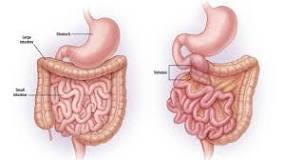
     4. Malrotation of bowel. Mal-rotation and non-rotation of bowel are sub varieties of situs Inversus ambiguous.

In fetal life, the intestinal tract undergoes 3 stages of rotations. Normal rotation is 270 degrees. Rotation may be only to 180 degrees, called incomplete and 90 degrees called non-rotation.


In incomplete rotation the upper part of the mid-gut (Duodenum) is on the right side of the Superior Mesenteric Artery (SMA) and the lower part of the mid-gut (from distal part of the duodenum to 2 /3 of proximal colon) are in front and to the left of the superior mesenteric artery. The cecum, appendix and right half of the colon are unattached. In non-rotation, the gut does not rotate more than 90 degrees. The upper mid-gut is anterior to the right of the superior mesenteric artery, and the rest of the gut is anterior and left of the SMA.

[From the proximal midgut the small intestine develops and from the distal midgut the cecum and colon develop.]


(On the left, a normal rotation on the right malrotated bowel).

Malrotation of gut is a serious health problem. Most patients experience intermittent incomplete bowel obstruction. Others develop volvulus and gangrene of the bowel. As soon as a diagnosis is made, surgical correction is needed, whether the patient has any symptoms or not.


Situs inversus is inherited as an autosomal recessive pattern, and at times it is linked with the X chromosome. Over 100 genes are implicated in this inherited disorder, but the NODAL gene mutation is best known for its clarity. In the very early development, the respiratory tract develops cilia. These cilia beat in unison in one direction - to the left. NODAL gene produces proteins which are components of ciliary axial structures. The directional movement of cilia creates a left to right orientation of the body. It directs the rotation of the gut and placement of viscera. Mutation of genes DNI 1 and DAH 5 result in Primary Ciliary Dyskinesia. Primary ciliary dyskinesia is associated with situs inversus, a well known condition is called Katagener's syndrome. Here patients develop chronic sinusitis, otitis and deafness, bronchiectasis, male infertility due to absence of ciliary movements in vas deferens, and later in life develop pulmonary insufficiency.

History of Situs Inversus.

It is reported that Aristotle noted the reversed position of viscera in animals. The first human case was reported by Fabricum in 1600, in a man with the liver on the left and the spleen on the right side of the abdomen. In 1663 Marco Severio reported dextrocardia and 1652 Rolan reported more cases of situs inversus.

Edited: November2025.

***************************************************

Wednesday, June 5, 2024

Changing Concept of Crohn's Disease


                                  Changing Concept of Crohn's Disease.

                                              P.K.Ghatak, MD


Crohn's disease is a chronic ulcerative granulomatous inflammation of the isolated segments of ileum, associated with some systemic manifestations. The cause of this inflammation has shifted several times -from syphilis, tuberculosis, autoimmune, genetics, rogue colon bacterial antigen derived immune reaction and unknown.

The Journal of the American Medical Association (JAMA) in October 1932 published a paper authored by Dr. B. B. Crohn describing a comprehensive summary of 14 cases of chronic diarrheal disease with histopathological findings. It was a new disease. He called the disease regional ileitis and speculated the etiology was a mycobacterial infection. The medical community named it Crohn's disease.

A review of literature showed Crohn was not the first person to publish this new disease. A short list of publications of the same illness appeared prior to the JAMA article is presented. Most of these are autopsy findings of patients with similar symptoms described by Dr. Crohn.

It is said that Alfred the Great of England and King of France Louis XIII died of complications of regional ileitis. Antonio Benivieni, in the fourteenth century, described autopsy findings of a chronic diarrheal disease as seen in regional ileitis. In 1769 Giovanni B. Morgagni described a similar case. In 1905 Wilmannis and 1907 Monyiham reported cases in BMJ. In 1909 Braun, 1911 Schmidt, 1912 Groto and 1924 Lawon published similar cases in German medical journals.

In 1912 Dr. Kennedy Dalziel of Glasgow, Scotland worked on regional ileitis.  It is now known that Dr Crohn worked based on Dalziel. Crohn, however, presented a comprehensive clinical and histopathological findings.

Characteristic features of Crohn's disease.

Men and women are equally affected, there is a genetic predisposition, but the precise nature of genetic mutation is unknown. Usual age of beginning of symptoms is late 20s. Exacerbation and remissions are features of Crohn's disease. Campy abdominal pain in the mid and lower abdomen and frequent bowel movements of blood mixed stool are initial symptoms. Other symptoms are a low grade fever, sclerites of the eyes, joint pains, and loss of weight.

Pathological findings- Skip lesions are typical (segments of the ilium are inflamed and in between sections of the ilium are completely normal). Granulomatous inflammation of all the layers of the ilium is a typical finding. The villi are atrophic and lymph follicular hypertrophy of the submucosal, muscular and serosal layers are thickened with granuloma formation. Fissures and sinus tracts are distinguishing features. Abscess formation, peritonitis and fistular communication with the urinary bladder and colon are complications.

Diagnosis of Crohn's disease is not difficult and usually made by endoscopy and biopsy of the lesions of the small intestine.

Another inflammatory bowel disease, Ulcerative colitis, should be excluded first because Crohn's disease can affect anywhere in the GI tract-from the mouth to the anus. Endoscopy in ulcerative colitis shows extensive inflammation of the entire colon and lesions are limited to the lining membrane of the colon only, sparing the other parts of the colon wall. And biopsy revealed acute necrotic lesion of epithelium of the colon, and no granulomas. Since granuloma is the distinguishing feature of Crohn's disease, a short review of granuloma is presented here.

Granuloma.

Macrophages and other immune cells appear at the site of invasion by infectious pathogens or the presence of a foreign body in the tissue. The macrophages encircle it and try to contain it from spreading. If macrophages fail to destroy it, more macrophages gather around it and summon other immune cells. The inflamed area takes the shape of a nodule. The center is formed by clusters of macrophages and is surrounded by layers of immune cells, chiefly by lymphocytes. In certain infections, the cells in the center of the nodule become necrotic, and in others no necrosis occurs. The first one is called Narcotizing granuloma, a typical finding in M.TB infection; the second one is called Non-narcotizing granuloma with no central necrosis, a typical finding in Sarcoidosis and Crohn's disease.

Causes of granuloma.

  1. Bacterial infection. Example- Listeria, Bacteriodes, Q fever.

  2. Mycobacteria tuberculosis are paratuberculosis (Non-TB mycobacteria).

  3. Virus infection. eg.- Epstein Barr virus, Cytomegalo virus, measles and mumps.

  4. Unknown antigen. -eg.- Scarcoidosis.

  5. Fugal infection. -eg.- Histoplasma capsulatum, Aspergillus species,

  6. Parasite. -eg.- Schistosoma sp.

  7. Foreign body. - Surgical sutures, talk, silicone and thorns.

  8. Cancer cells.

  9. Autoimmune diseases. -eg.- Lupus erythematosus, scleroderma.

  10. Special category,- Granulomatous angiitis, eg, Giant cell arteritis, Wegener's granulomatosis.

Etiology of Crohn's disease (CD).

The list of pathogens mentioned above is just a few in each category. After a diagnosis of CD is made, the first thing to do is to find the pathogen responsible for a granulomatous lesion in the GI tract. Microbiology and image studies are usually enough to exclude a known pathogen.

Heredity and gene mutation.

Mutations of several genes are suspected, but few are positively linked to CD disease. Mutation of the NOD2 gene (nucleotide binding oligomerization domain containing intra-cytoplasmic protein 2) which encodes a protein involved in apoptosis (cell death) is linked to CD.

ATGs (autophagy-related genes) encode many cytokines. When ATGs mutate proinflammatory activities proceed unchecked and result in inflammatory bowel disease.

A large section of each chromosome has no active gene, known as Junk genes. Newly discovered ETS2 gene, among the junk genes found to encode a protein which enhances Macrophage's activities.  Drugs that suppress the ETS2 gene help to heal the CD lesions in the bowel. It is now postulated that the mutated ETS2 gene is another inherited gene in the etiology of CD.

Mutation of these two genes and many other gene mutations are inherited by autosomal recessive and autosomal dominant modes.

Gut Bacteria.

Over 1000 different species of bacteria are present in the gut of any healthy adult. Among them, the dominant species are Firmicutes, Bacteroides, and Actinobacteria, and fewer are colonies of Protobacteria, Fusobacteria, Cyanobacteria, and Verrucomicrobacteria. Intestinal epithelium enters into a symbiotic relationship with these bacteria. Disruption of this relationship may happen due to antibiotic therapy and ingestion of other medications, certain illnesses, change in dietary habits, eating highly processed food and other environmental factors. Less abundant bacterial species multiply under this changed environment and break the intestinal barrier and invade the intestinal tissue. This results in activation of the adaptive immune responses and generates excess pro-inflammatory cytokines causing tissue necrosis and inflammation.

Bacterial antigen triggers antibodies by B-cells. Antibodies attack normal tissues instead of the pathogen due to an error of Th-2 cells (thymic 2) and the antigen complex may also trigger antibody production and tissue damage, a feature of autoimmune bowel disease.

Multiple factors.

Until a definitive etiology of CD is identified, a complex association of heredity susceptible gene mutation, disrupted intestinal microbiome, environmental factors, unidentified infective pathogen, autoimmunity and unknown factors are contributing to the development of CD.

***************************************************

Edited: November 2025.

Thursday, May 16, 2024

Pain Perception


                                                Perception of Pain

                                                 PKGhatak, MD.


Pain sensation is an essential sensation utilized by all living creatures to avoid injuries and preserve life. The basic physiology of pain is known for a long time; the perception of pain is more than receiving pain sensation. The known areas of the cerebral cortex involved in pain appreciation and perception have expanded in recent years. This article is an attempt to bring the subject current.

Physiology of pain.

The skin is covered with special sensory receptors for touch, cold and heat, pressure and vibration. There are no special receptors for pain. The pain sensation is received by Free Nerve Endings. When any non-pain sensation exceeds a certain threshold, that sense turns into a Pain sensation.

Spinal nerves.

Three types of spinal nerve fibers carry  all sensations from the skin – delta fiber, C-fiber and AB-fiber. But only twotypes carry the pain sensation. The delta fibers are thinly myelinated and carry pain and change of temperature sensations at a high speed and carry acute pain (at the onset of pain). C-fibers are non-myelinated and carry chronic pain sensation at a slow speed. AB- fibers carry  non-pain sensations.

The sensory nerve cells are located in the dorsal root ganglia. The axons carry pain to the cell body, the short fibers called dendrites enter the spinal cord and cross the midline and synapse with the 2 nd order neuron. From here the fibers run upwards as the lateral spinothalamic tract and synapse with dorsomedial nerve cells of the thalamus. The 3rd neuron carries the sensation to the Parietal Lobe of the cerebral cortex.

This set of nerve cells and nerve fibers carries pain sensation from the skin of one side of the body to the opposite cerebral cortex.


Mechanism of pain activation.

The free nerve endings in the skin are covered by a plasma membrane, which contains channels. Protein molecules open the channels when an appropriate stimulus is received and allow calcium and sodium ions to enter. This ions influx generates an electrical impulse that is carried to the dorsal root ganglion by the nerve fibers.


Pain sensation from Internal Organs.

The efferent fibers of the autonomic nervous system carry pain sensation. The vegus nerve carries visceral sensation to the Nucleus Tractus Solitarius of vagus. From there, pain sensation is relayed to the thalamus and also to the Hypothalamus and finally to the sensory cerebral cortex. Visceral pain is also carried by efferent fibers of the sympathetic system, the nerve body lies in the sympathetic chain and the pain is relayed to the Hypothalamus and finally to the cerebral cortex. Visceral pain is felt on the skin over the dermatome that corresponds to the origin of the viscera. However, those organs have a serous covering - Peritoneum, Pleura, or Pericardium, which is supplied by the spinal nerves, are very sensitive to pain and the pain is localized precisely. The pain is activated when the inflammatory process, following injury or infection, reaches the serous membrane.


Neurotransmitters of Pain.

Glutamate.

 Glutamate is the main neurotransmitter for pain sensation of the dorsal root ganglia and many areas of the brain.

 Substance P.

 Substance P transmits Chronic pain. It is a polypeptide, made up of 11 aminoacids.

 Glycrine dampens pain transmission at the Dorsal Root Ganglia.

 In addition, many other neurotransmitters participate in the propagation of pain sensation and may act as suppressor or accentuator.


Common Terms used in this article.

Nociception Pain. When tissue injury or inflammation initiates the pain sensation, it is called Nociception Pain. The Pain in anticipation of such tissue damage, is also called nociception pain.

Somatic pain sensation. When pain is felt from the skin, subcutaneous tissue and muscles, tendons and bones.

Visceral pain. Pain originates from solid or hollow viscera. Pain is felt as painful cramps and squeezing pain.

Inflammatory pain. Tissue damage releases various cytokines locally, which trigger pain sensation.

Neuropathic Pain. When nerve cells or nerve fibers are damaged from systemic illness or injuries, the pain is felt as unpleasant or burning pain. It is common in Diabetes mellitus and certain chemotherapeutic agents.

_________________________________________________________________

A few well accepted views.

Females are more sensitive to pain than men. Older generations are less sensitive and react slowly to pain. There are cultural and social variations for tolerance of pain. Certain professions teach their recruits to tolerate pain, e.g, military base camp training. When life itself is at risk, painful injuries are ignored and people with severe painful wounds walk away from the site of the accident/incident.

Pain is highly subjective. The pain is graded differently by different people when asked to grade the pain on a 1 to 10 scale. MRI scan of the brain and PET scan are known instruments that correlate the patient's story of pain. But a physician must not distrust his/her patients; in case a physician has doubts, the physician should remove himself/herself from taking care of the patient. It is not ethical nor cost-effective to obtain an MRI to verify the patient's story of the chronicity or severity of the pain.

Processing pain at different levels of the nervous system differently.

At spinal cord level. 

The spinal reflex arc.

The spinal nerve carrying pain sensation enters the spinal cord, at each segmental level, via the posterior root and synapses directly with the anterior horn cells of that segment and also up and down segments of the spinal cord. The muscles contract reflexly and remove the body part from the site that had caused pain. Conscious recognition of pain is achieved a few milliseconds later. In newborn children, the withdrawal reflex has not developed, they cry instead.

Nerve tracts carrying pain to the midbrain.

  1. Spinothalamic tract. Connect with Thalamus. Function: localization of pain

  2. Spino-reticular tract. Connect with the reticular formation of the mid brain. Function: produce awareness and arousal.

  3. Spino-tactal tract. Connect with Tectum. Function – directs eyes and head towards the pain sensation.

In the midbrain.

The Thalamus is the initial reception center of Pain and in fact, all other sensory impulses carried by the spinothalamic tract end here. It is called a crude sensory center, meaning, pain is registered here without any other qualification – as to the severity, precise location and the cause. Different areas of the cerebral cortex, nearly all mid brain nuclei, the hypothalamus, the amygdala and the hippocampus are connected two ways with the thalamus via synapses.

In an embolic stroke of the hypothalamus, the pain is felt as an unrelenting burning sensation.

In the cerebral cortex.

In the Parietal lobe of the brain, the pain sensation reaches the conscious level. The parietal lobe is stratified -  a specific location is designated for pain arriving for a specific area of the body. Face, lips and fingers of the hand have much wider cortical representations than the body parts occupy. In simple terms, it means these areas are more sensitive than the trunk and the proximal parts of limbs.

In the last several years, experiments with pain localization and perception have expanded knowledge of the participation of other areas of cerebral cortex. Several new synaptic connections with the thalamus and the hypothalamus have contributed to the understanding of pain perception and how that relates to addiction to pain medication.

Recent additional areas of the brain involved in pain perception.

Anterior part of Cingular Gyrus.

The Cingular gyrus used to be part of the Limbic system. Recent functional MRI and PET scans have conclusively proved the anterior part of the cingulate gyrus modifies pain sensation. Additional areas are the Insular cortex, the ventromedial Orbital cortex, and the Motor cortex

Current understanding of Pain Discrimination and Pain Perception.


There are two parallel systems at work.  Laft hand diagram: The components of the Anero- Lateral         ( Trasmission system) system are sensory. The Parietal cortex 1 and 2, the thalamus, and the lateral spinothalamic tract are involved. The main function of this system is to bring the pain sensation to the conscious level and define severity, localize and make a logical conclusion of the origination of pain. This aspect of sensation is involved in pain discrimination.

 Right hand Diagram : The Medial ( Modular) system consists of the Anterior Cingulate gyrus, the insula, the motor cortex and the spinoraticular tract with all the synaptic connections as shown in the diagram. This part of the system analyzes, recalls, recalibrates and interprets pain. This part of the system is involved in pain perception.

Pain Receptors of the Central Nervous System:

Opioid Receptors.

A. Opioid receptors have a vital role in pain modulation and anti-nociception. Opioid receptors are further classified into three types.

1. Delta receptors are situated in both the brain and the spinal cord sensory neurons and are involved both in pain and depressive illness.

  1. Kappa receptors are situated in the grey matter of the spinal cord and hypothalamus, and have a vital role in the treatment of pain, stress and depression-like conditions.

  2. Mu receptors are situated in the intestine, spinal cord, cortex and thalamus of the brain. All Mu receptors have a primary role in analgesia, but Mu1 receptors are particularly involved in the perception of pain.

Opioid drugs act on opioid receptors and attenuate pain by hyperpolarization. It is mediated by the opening of potassium channels and the closing of calcium and sodium channels. Opioid drugs block the adenylyl cyclase enzyme also.

Fentanyl, Morphine and Methadone are important members of opioid drugs. Opioid blockers are Naltrexone and Naloxone.


B. Dopamine Receptors.

There are five sub-varieties of Dopamine receptors - D1 to D5. 

 D1 receptors are excitatory in nature. D2, D3 and D4 receptors are all inhibitory. They block the adenylyl cyclase enzyme..

Tergoride, Apomorphine, and Bromocryptine are activators of D1 receptors, Ecopipam works on D1 and D5 receptors and is a receptor blocker.

Haloperidol, Resperidone, Domepridone, block D2, D3 and D4 receptors. Apomorphine, Pramipexole, Bromocryptine, Cabergoline act as agonists of D2 receptors. Activation of D2, D3 and D4 receptors produces an analgesic effect.

C. Adrenergic Receptors.

Adrenergic receptors are further divided into two types - alpha receptors and beta receptors.

Alpha-adrenergic receptors have two important sub-types – alpha-1, and alpha-2.

Alpha-1 has an excitatory effect, while alpha-2 has a role in the release of norepinephrine.

Beta receptors have three important sub-types - beta-1, beta-2 and beta-3.

 Beta-1 receptors are involved in stimulatory responses, while  beta-2 and beta-3 have a major role in inhibitory responses. All alpha receptors have a role in the blood vessel constriction and a reduction in gastric emptying.

Drugs having a stimulating effect on alpha 1 receptors – Tamsulosin, Terazosin, and Prazosin. Alpha blocker drugs are Mirtazapine and Yohimbine

Alpha 2 stimulating drugs are Methyl-dopa, Clonidine and Guanabenz


Pain sensation occurs at different levels of the peripheral nerves, the spinal cord and the brain. Although great strides have been made in recent years, the pathology of Pain perception is not fully understood.

********************************************************

Revised: March 2026 .


Thursday, May 2, 2024

Urinary Incontinence


                                           Urinary Incontinence

                                             P.K.Ghatak, MD


Urinary incontinence is the medical term for leakage of urine; the common expression is wetting the underpants or simply an accident.

In children, voiding is brought under control several months (between 12 and 30 months) after birth, about the time the baby learns to walk independently. The nerve fibers in certain areas have delayed myelination. Myelin is a fatty substance that gives the nerve fibers a coat of insulation so the nerve impulse from the center/brain can reach the intended organs/ tissues and not be allowed to short out on the way.

The urinary bladder has both involuntary and voluntary muscles. At the apex of the urinary bladder, at the point where the urethra (a tube that carries urine) begins, there is an involuntary muscular sphincter that must relax to permit the urine to flow out of the urinary bladder. Another muscular sphincter, which is made up of voluntary muscles, is present just after it emerges from the pelvic floor and is called the external sphincter. It is under the voluntary control of the Pudendal nerves. It keeps the external sphincter closed until the time to void. It works by withdrawing inhibition and producing contraction of voluntary muscles.


                                             Nerve controlling the urinary bladder.


Three sets of nerves innervate the urinary bladder. Sympathetic, parasympathetic, and somatic nerves. Stimulation of the sympathetic nervous system produces holding of urine; the parasympathetic nerve is the nerve of evacuation of urine. Pudendal nerves are the final arbitrator either to void or to hold urine and are totally under voluntary control.

The lumber segment of the spinal cord supplies the sympathetic fibers to the inferior hypogastric ganglion and the hypogastric nerve carries the impulse to the bladder and internal sphincter. Sacral 1 and sacral 2 segments supply parasympathetic fibers to the parasympathetic ganglion, which supply the postganglionic fibers to the bladder and internal sphincter.

Anterior horn cells of the sacral 1 and sacral 2 segments and lower lumbar nerves form the pelvic plexus from which the Pudendal nerves arise. The two are mixed nerves; they carry both sensory and motor stimulation.

Micturition reflex.


The center for the micturition is situated in the Pons of the brain.

Sensory information is carried from the bladder to the autonomic nerve center in the hypothalamus, which sends impulses to the pons for action. Somatic sensation is carried to the thalamus via the lateral spinothalamic tract, and then to the sensory cerebral cortex. Information for voluntary actions carried from the micturition center via the pudendal nerves to the bladder and the external sphincter.

After voluntary micturition is started, the sensory input continues to flow to the center from the passage of urine through the urethra and the state of the bladder. Voluntary voiding is also helped by the contraction of abdominal muscles. Voiding can be stopped and restarted by volition.

With these pieces of information at the back of the mind, it will be a lot easier to understand why a person develops urinary incontinence.


Urinary incontinence has several independent causes; at times, more than one reason may be present. 

1. Malalignment of the urethra with the bladder.

The urinary bladder rests on a muscular sling made by a group of pelvic muscles. The apex of the bladder continues as the urethra in the same straight line. The bladder is fairly mobile, allowing it to increase and decrease in size as urine is collected continuously and emptied periodically.

Repeated childbirth and loss of muscle mass in menopause, the muscular sling becomes flabby, and the bladder sags downwards. Urethra's alignment is altered and results in voiding difficulties and retention of urine in the bladder. A similar situation arises in men with the hypertrophy of the prostate gland. Other conditions are pelvic tumors, fractures of the pelvic bones, and hematomas. Sneezing, coughing, laughing, and vigorous exercise, etc., produce leakage of urine from a full bladder.

2. Nerve damage.

Sensory nerve damage is often due to diabetes mellitus, both type 2 and type 1. Diabetes can also produce motor nerve damage. In the absence of sensation from an overfilled bladder, the pressure inside the bladder becomes higher than the resistance the internal sphincter can provide and the urine begins to leak. The damage to the peripheral nerve in diabetes starts at the far end of the nerve fibers and progressively approaches the nerve cells. Toes and fingers show the damage first, but the process starts in all the systemic nerve fibers. The autonomic nervous system is generally spared unless the process is very aggressive and of longer duration. Other causes of peripheral neuropathy are - alcoholism, vitamin B1 and B12 deficiency, injury to nerve fibers in an accident or surgery, and hypothyroidism. Several types of infections produce neuropathy - Lyme disease, HIV, and shingles. Other causes of neuropathy generally spare the bladder.

3. Brain and spinal cord vascular events and injury.

The brain instructs the spinal centers for voluntary actions. It also sends inhibitory control over the lower motor neurons situated at the anterior horn cells of the spinal cord. In brain injury, like the middle cerebral artery stroke, that inhibitory control is lost and spasticity of muscles develops due to unopposed reflex contraction of muscles. The urinary bladder becomes small and urine drips continuously. Spinal cord injuries and transverse myelitis are additional conditions producing a similar incontinence. In a few CNS diseases, the urinary incontinence is invariably present, examples - Multiple sclerosis, Parkinson's disease, Alzheimer's disease, Chronic bilateral subdural hematoma and Low pressure hydrocephalus.

4. Muscle diseases.

In inherited muscle diseases, such as Charcot-Marie-Tooth disease, the urinary bladder loses muscle and fails to empty, and incontinence follows. Similarly, in spinomuscular atrophy, the bladder loses muscle control and incontinence.

5. Prolonged bed rest and long term placement of urinary catheters.

The capacity of the urinary bladder is 500ml; however, if a lesser volume is used over some duration, the bladder adopts a lower volume. In prolonged use of an indwelling catheter, the sphincters become incontinent.

In prolonged bed rest, the pelvic muscles become flabby from non-use and the alignment of the urethra is altered and urinary retention and incontinence develop.

6. Repeated or chronic urinary bladder infection.

Infection derails normal control of bladder functions, develops an urge to urinate, frequency, a smaller capacity, and incontinence.

  1. Functional or emotional causes.

Psychosis and severe depression produce changes in the perception of normal senses, and the loss of voluntary actions occurs in a timely fashion.

  1. Adverse effects of medication.

Hypnotics, sedatives, and anti depression medications have adverse effects on the urinary center and on the bladder and urinary sphincters. In males, Anticholinergic drugs produce dysuria and retention of urine.

  1. Pregnancy.

In normal pregnancy, as the gravid uterus enlarges and grows upwards, it raises the bladder neck with it, the bladder capacity also increases, and some retention of urine is normal. In advanced pregnancy, wetting undergarments occurs often.


Incidence of urinary incontinence.

There are about 13 million cases of urinary incontinence in the USA alone. About half of them are nursing home residents. In general, female patients outnumber male patients. Most of the patients are elderly with various chronic illnesses; younger patients are those with developmental delays or have congenital neurological diseases. Spinal cord injury sustained in sports and auto accidents accounts for a handful.


Prevention and Treatment of Urinary Incontinence.

Training at the toilet starts in early childhood. It requires a great deal of patience and love in toilet training. It is important not to threaten or punish a child for an accidental bed-wetting. Fear and intimidation are very counterproductive.

In alcoholism, diabetes mellitus, prompt medical management and timely treatment with antibiotics of infections go a long way to avoid the development of urinary incontinence. Obstruction to the bladder neck by an enlarged prostate gland in males and pelvic tumors in both sexes should be addressed surgically. Prolonged indwelling catheters should be avoided, and various alternative methods to indwelling catheters are available and should be used. Retraining of voluntary voiding should be the goal in all cases where intact bladder innervation is preserved, and that should include CVA and spinal cord injury.


Surgical treatment:

In advanced pelvic malignancy, the bladder may have to be removed. A urinary conduit is created from a loop of the ilium. At times, transcutaneous stents are placed to drain the urine from both ureters. Various other forms of urinary diversion operations are used based on specific circumstances.

**********************************************************


Sunday, April 7, 2024

Whipple's disease


                                            Whipple's disease

                                           P.K.Ghatak, M.D


Whipple's disease is a bacterial infection of the jejunum, manifest as malabsorption of fat, fat soluble vitamins, and protein.

Dr. George Whipple, in 1907, described the first case in a 36 yr old man who presented with malabsorption associated with lymph nodes enlargement of the mesentery and increased skin pigmentation. He found a small rod-shaped organism in the tissue stained with silver stain, but could not grow it in any artificial media to make a positive identification, and predicted the possibility of a bacterial infection. In 1992, a gram positive coccobacillus was identified in the biopsy tissue by electron microscopy. The bacteria were PAS (periodic acid-Schiff stain) positive and Acid-fast stain negative. The organism is named- Tropheryma whipplei (T. whipplei). T. whipplei belongs to the Actinomycetes group and its pathology has many similarities with Mycobacterium avium intracellulare infection.

The natural habitat of T. whipplei is in the soil, and farmers are three times more likely to develop clinical signs of infection than people in other professions. 51% of the world population are positive for T. whipplei antibodies; however, only 3 in 1 million develop clinical signs of illness. This is due to cellular immune deficiency, which contributes to the development of illness. Farmers who are haplotype for HLA B27 have phagocytes which fail to digest engulfed bacteria because of the lack of activation of CD11 b (integrin alpha) by TH1 lymphocytes.

Mode of infection and incubation period.

The mode of infection and the incubation period are not known precisely, but the oral route is most likely. These bacteria have a three layered outer membrane and which helps them to withstand digestion by the strong Hydrochloric acid (HCl) in the stomach. Once T. whipplei are in the duodenum and the Jejunum, they infect the surface cells of the villi. The cellular infiltration follows, and it produces edema of the villi, and this is the beginning of abdominal symptoms of bloating, cramps and diarrhea. The macrophages engulf the T. whipplei but are unable to kill the bacteria. Macrophages move to lymph follicles in the lamina propria. Nodularity of lymph follicles develops in the lamina propria and also in the mesentery. These two features – edema of villi and enlarged lymph follicles - are characteristics of Whipple's disease.

The second most frequent clinical feature is a reactive type of arthritis of the finger joints and metacarpal phalangeal joints resembling Rheumatoid arthritis, but the Rh factor is negative and erosion of bones does not develop. Similar symptoms also occur in the sacroiliac joints, ankles, and knees,  but less frequently. Other features are anemia, low grade fever, lymph node enlargement, and increased skin pigmentation. Occasionally, cerebellar ataxia, peripheral neuropathy, headaches, oculomotor palsy and seizures may be present. These non-GI symptoms are due to increased production of acute-phase reactants as a result of infection of the GI tract by T. whipplei.

Diagnosis.

Investigation of Malabsorption syndrome includes an upper GI endoscopy with biopsy and the T. whipplei infection can be identified by histopathology, electron microscopy, PAS and acid-fast staining, and also by PCR identification of bacterial DNA.

Treatment:

T. whipplei, not unlike Mycobacterium avium intracellulare, requires prolonged antibacterial therapy followed by a year or two of chemoprophylaxis.

For acute phase infection.

The standard regimen. Ceftriaxone 1 gm IV every 12 hrs., or high dose of Penicillin IV for 2 to 4 weeks. Followed by one to two years of Sulfamethoxazole Trimethoprim 800 mg/160mg tablet twice a day for 1 to 2 years.

Alternate regimen. Doxycycline 200 mg, by mouth daily every 12 hrs., plus Hydroxychloroquine 600 mg orally, once daily for 18 months, followed by Doxycycline 200 mg orally, daily for the lifetime.

For CNS symptoms. Ceftriaxone  2 gm IV every 12 hrs. for 6 weeks, followed by Sulfamethoxazole Trimethoprim twice a day for 1 to 2 years.

Whipple's disease is a bacterial disease due to the immune system's failure in eliminating the pathogenic organism from the body. Articles presented earlier dealt with a virus that remains in hibernation after an infection and subsequently causes a new disease - the Burkitt lymphoma virus. Similarly, a fungus- Pneumocystis jirovecii, and a protozoa, Toxoplasma gondii, were discussed. This article on Whipple's disease concludes this section.

*************************************************

Archive

  Archive. P.K.Ghatak, MD 2025  March. Laser Endoscpoe 2025 February. Use of Ultrasound in Medicine MRI 2025 January. Bacteriology and Rober...