Sunday, November 3, 2024

Hodgkin Lymphoma


                                                     Hodgkin Lymphoma

                                                         P. K. Ghatak, MD

                                                         ghatak3@gmail.com


Thomas Hodgkin, a British physician and pathologist, published a paper in 1832 describing the autopsy findings of 7 patients with painless enlarged lymph nodes associated with an enlarged spleen. In subsequent studies, more such cases were described by others and in 1912, the disease was named Hodgkin Lymphoma. Dorothy Reed Mendenhall of the U.K. and Carl Sternberg of Germany published in 1902 their histological studies of Hodgkin's lymphoma. They detected large cells with binucleated nuclei due to the non-separation of cytoplasm after cell division. Sternberg mistook the cause of this illness as tuberculosis, but Dorothy Reed showed these cells had no relation to Mycobacterium tuberculosis. Now, these multinucleated cells are called Reed-Sternberg cells. These cells are formed in the germ center of B-type progenitor lymphocytes due to the mutation of genes, perhaps due to prior infection with Epstein Barr virus. Numerous leukocytes and immune cells gather around the Reed-Sternberg cells, producing engagement of the lymph nodes and spleen. The Reed-Sternberg cells are malignant. The cells express C15 and CD30. Lacunar type of Reed-Sternberg cells is mono or binucleated cells with a small nucleolus and have a large pale cytoplasm. The classic type of Reed-Sternberg cells is large, has binucleated nuclei with multiple eosinophilic nucleoli and clear cytoplasm.


Hodgkin lymphoma and lymphocytic leukemia are both malignant transformations of lymphocytes. But they are different diseases. Malignancy of B-type lymphocytes produces Hodgkin lymphoma. The malignant cells adhere together and remain within the lymph nodes, and no malignant cells appear in the peripheral blood. In lymphatic leukemia, both B-lymphocytes and T-lymphocytes of the bone marrow turn malignant, and cancer cells are present in the peripheral blood and dominate among the other blood cells. Mutations of DNA are responsible for both cases, but the exact cause is unknown, why in one instant it becomes a lymphoma, and another in leukemia. The chronic form of lymphocytic leukemia is an indolent disease and requires no treatment unless patients develop anemia or the immature lymphocytes called Lymphoblasts are seen in numbers greater than 20 % of the lymphocytes (acute lymphoblastic leukemia).


Hodgkin lymphoma is closely related to another malignancy of lymph nodes called Non-Hodgkin lymphoma. The main points of difference between them are summarized in this table.

Points of difference


Hodgkin lymphoma

Non-Hodgkin Lymphoma

Lymphocyte type

B-cell

T- cells and B-cells

Reed-Sternberg cell

Present

Absent

Location of Glands

Neck and above the diaphragm in chest

Any lymph nodes, both above and below the diaphragm

Age of patients

Young

Generally, 65 yrs and over

Sex of patients

Generally male

Both sexes

Race

White

Asian and African

Response to treatment

Good

Poor

Prognosis

Good

Not good


Symptoms of Hodgkin lymphoma.

General Symptoms: Like all malignancies, unintended weight loss, poor appetite, nausea, and weakness also develop in Hodgkin lymphoma.

Specific symptoms: Though no one symptom can identify Hodgkin lymphoma, these symptoms are suggestive of this disease. Painless cervical lymph node enlargement persists. Profuse night sweats. Breathing difficulty due to pressure on the airways in the lungs. Itching that intensifies after bathing or drinking alcohol. Fever of unknown origin, skin rashes, and neuropathy.

Investigation.

Diagnosis of Hodgkin lymphoma depends on finding Reed-Sternberg Cells in the biopsy of a lymph node or bone marrow.

Cellular types and classification of Hodgkin lymphoma (HL).

The WHO classifies Hodgkin lymphoma, based on histological and clinical features, into 5 types of Hodgkin lymphoma.

  1. Nodular Sclerosis. This type of HL is most common. The bands of fibrous tissue divide the mass into several nodular areas. R-S cells are Lacunar type. The nodes are detected in the mediastinum and supra diaphragmatic locations. Patients are generally teens and young adults

  2. Mixed cellular. This type is the next common HL. The R-S cells are classical R-S cells. Patients are generally HIV positive; the disease stage is advanced and enlarged nodes are found in the abdomen in addition to usual places. Patients are generally older, around 65 years old.

  3. Lymphocyte depleted. This is a rare type of HL. R-S cells are abundant; these cells express Epstein virus antigens. Leukocytes and immunocytes are few.

  4. Lymphocyte rich. This type is also rare. R-S cells are lacunar and classical types. Profuse Infiltration by other cells, among them, lymphocytes predominate.

  5. Nodular lymphocyte dominant. R-S cells are infrequently present, and dominant cells are normal lymphocytes and histiocytes. The lymphocyte expresses CD20 but not CD15 or CD39.

Staging: Like any other cancer, HL is classified accordingly using well established criteria into 4 classes and treatment is prescribed accordingly.

Several modalities of treatment are available, as follows.

  1. Combination chemotherapy

  2. Radiation therapy

  3. Immunotherapy, including checkpoint inhibitors, CAR-T therapy. Monoclonal antibodies and small molecules.

  4. Bone marrow and Stem cell transplantation.

Stage I and II.

The combination of chemotherapy agents given is 2 cycles, each one of 4 weeks duration. This is followed by radiation therapy. The prognosis is very favorable. Those who have additional risk factors like immunosuppression are given 4 cycles of chemotherapy in increased dosages.

Stage III and IV.

Combination chemotherapy with additional agents is given in 6 cycles, followed by radiation and Immunotherapy. The prognosis is poor to unfavorable.

Separate protocols are available for recurrence of the disease and poor initial response to the therapy.

edited. June 2025.

********************************************************


Monday, October 28, 2024

Peripheral Neuropathy


                                                               Peripheral Neuropathy

                                                                P.K. Ghatak, MD.

                                                                ghatak3@gmail.com


The part of the nervous system that lies outside the Brain and Spinal Cord is known as the Peripheral Nervous System. It consists of both somatic and autonomic divisions, and each division consists of sensory and motor nerves. There are two sets of peripheral nerves. 1. those arise from the brain called Cranial Nerves, 12 pairs in number and 2. those arise from the spinal cord called Spinal nerves, 31 pairs in number. All the spinal nerves are mixed nerves, made up of both sensory and motor fibers; whereas the cranial nerves can be pure motor, sensory, or mixed containing both motor and somatic sensory and special senses. These are smell, vision, hearing and position of the head in space and taste sensations.

This anatomical characteristics require a thorough basic knowledge of the nervous system in order to fully comprehend the clinical spectrum of peripheral neuropathy.

The diagram below illustrates the anatomy of a spinal nerve formation and shows sympathetic fibers being carried by a spinal nerve.

                                             
                                                           Copied from a NIH publication.

Symptoms of Peripheral Neuropathy.

The development and progression of symptoms of peripheral neuropathy are dependent on the cause.

Using diabetic neuropathy as an example, because it is the most common cause of Peripheral Neuropathy. 

Diabetes mellitus 2 and long standing DM 1.

A tiny brach of the artery supplying the muslces, supplies arterial blood to the neve fibers. Diabetes causes damge of the endothelial cells and this leads to arterioscerosis and deminished blood flow to the nerve fiber and in severe cases to the nerve cells. Lack of repair of the damaged mylin  due to deminished blood supply, produce break down of myelin sheath and begins at  distally and progreesly poximal parts show involvement and in late cases the nerve cells degenerate.

The symptom begins with numbness and loss of light touch sensation in the feet and progresses upwards in the legs and thighs. It is slowly progressive and generally bilaterally symmetrical. Gradually the pain, pressure, vibration and temperature sensations are lost. Patients frequently fall to the ground because of a lack of sensation and develop progressive osteoarthritis of knees and ankles, due to the absence of pain from these joints. Similar changes also happen in fingers and hands. Frequently things fall off the hand and the burning of fingers are  common occurrences. Others develop burning pain, which is felt more intensely at night in bed.

Loss of motor function of the eyes results in double vision and difficulties in reading and writing. Wasting of muscles and loss of muscle mass, easy fatiguibility and generalized weakness follow. The sympoms of the peripheral neuritis are decreased or absence of secretion from all glands, lack of sweating, hypotension, lightheartedness, dry mouth and eyes, difficulty in urination, impotency in males and constipation.

Causes of Peripheral Neuropathy:

Besides diabetes mellitus, the following are important causes:

 Chronic alcoholism, Vitamin B1, B6, and B12 deficiency, Malignancy, Infection and Reactivation of dormant pathogens ( usually viruses), direct injury to the nerves in accidents and burns, Systemic illnesses, Pressure on nerves by tumors and certian metabolites, Autoimmune diseases, Congenital, Poisoning, Side effects of prescribed medication, and idiopathic.

Chronic alcoholism. 

 Malnutrition and vitamin deficiencies are components of alcoholism. Nerve fibers require a healthy myelin sheath in order to preserve the electrical impulse it is carrying, Alcohol damages the myelin sheath, and later the nerve fibre itself. The initial symptoms are double vision due to lateral rectus muscle paralysis  and difficulty in focusing for reading. Pain in arms and legs and numbness are the next common symptoms.

Vitamin B Deficiency.

  Vitamins B1, B6 and B12 are commonly referred to as nerve vitamins. RBC B12 level corresponds with nerve tissue B12 level, which is more accurate than the serum B12 level. Numbness and pins and needles are common symptoms, generally both sides are similarly affected. Severe vitamin B1 deficiency is well known as Beriberi.

Infection of the peripheral nerves. 

The recent COVID-19 epidemic and HIV/AIDS in the preceding years, recorded a high incidence of neuritis developed in various areas of the body.

 Lyme disease is another common cause of direct nerve infection.

 Leprosy is still a leading cause of disabling and deforming disease due to direct invasion of peripheral nerves by Mycobacterium leprae in South Asian countries.

 Reactivation of the dormant chicken pox virus produces Shingles. It is an extremely painful vesicular eruption of the skin. Serious eye problems result when the 5th Cranial nerve is infected; ophthalmic branch lesions can produce blisters of the involved skin dermatome and corneal blisters can produce blindness.

Systemic diseases. 

Systemic disease is a process where every organ and tissue is vulnerable to the same pathological changes. Vasculitis is the worst disease in this aspect. Many peripheral nerves develop vasculitis at various locations, one at a time or several simultaneously. Both sensory and motor nerves are commonly involved. Nerve fibers derive nutrition from tiny arterial branches from muscular arteries, and vasculitis cuts the arterial supply to the nerve fibers.

Collagen vascular diseases

 Lupus, Sjögren's syndrome and occasionally Rheumatoid arthritis are examples of neuropathy due to many pathological processes affecting peripheral nerves.

Other systemic diseases, for example, Whipple disease of the intestine, prevent fat soluble vitamins A, D, E, and K absorption from the small intestine. These vitamins are required for the maintenance of the Myelin sheath of the nerves, a deficiency of these vitamins causes neuropathy.

Malignancy.

 Cancers of solid organs, Myeloma, Leukemia and Lymphoma produce peripheral neuropathy. In adults developing neuropathy for the first time, otherwise in good health, the malignancy becomes an important issue and must be excluded without further delay. Cancer cells generally infiltrate adjoining tissues and the nerve fibers that are contained in them. Relentless pain is the main symptom. Myeloma produces abnormal proteins in large amounts. These protein molecules are deposited in and around the nerve-vascular bundles and produce neuropathy. With the growth of myeloma, the bone marrow is over stretched and erosion of bone at the growing site produces deep-seated nagging pain over the spinal column in addition to distant neuropathy. Certain cancers secrete polypeptides that can interfere with neurotransmitters and produce numbness and pain.

Lymphomas are bulky tumors, they put pressure on the nearby nerves. Lymphoma can also produce antibodies which can mistakenly attack nerve tissue, causing an autoimmune disease.

Chronic Inflammatory Demyelinating Polyneuropathy is an autoimmune disease. 

It is rare but recurrent. The offending agent or antigen is unknown and responds poorly to usual therapy. Efgartigimod, a monoclonal antibody, produces a rapid response but the effects do not last long.

Carpal tunnel syndrome.

 The median nerve at the front of the wrist has to negotiate through a tight bony passage between small wrist bones and any extra materials like amyloid, inflammatory cells in Sarcoidosis, or mucoproteins in Hypothyroidism usually accumulate in and around the median nerve and produce pain and weakness of fingers and thumb and claw hands develop in late cases. Carpal tunnel syndrome may be unilateral or bilateral.

Congenital.

 Acute Intermittent Porphyria is an autosomal dominant inherited disorder due to the absence of one or many of the 8 enzymes required for Heme synthesis. Heme is a part of Hemoglobin. This results in the accumulation of intermediate metabolites, chief among them is delta Aminolevulinic acid. Intermittent attacks consist of – (a) paralysis of limbs and muscles of respiration, and acute pain and (b) eruption of blisters on sun-exposed skin, and various GI symptoms including abdominal pain and (c) Hallucination, seizures, and psychosis. Attacks are precipitated by certain medications and food or starvation. An attack usually lasts 7 to 10 days, but attacks are recurrent.

Poisoning.

 Lead and Mercury are poisonous to humans, specially if they happen in a growing child. Lead pipes and paints are the primary sources of lead poisoning. Shrimp farming and bottom feeder fish cultures are the chief sources of mercury poisoning. The FDA has successfully limited other sources of mercury poisoning by regulating its use in industries and laboratories. In lead poisoning, the paralysis of motor nerve fibers of the extensors of the wrist and ankles is primarily affected, resulting in wrist drop and foot drop. Motor skill in the developing child is markedly limited.

Mercury binds with the sulfhydryl group on proteins and paralyzes enzymes and disrupts calcium movements in the neurons and myelin sheaths. Disruption of normal function produces neuropathy. The main features of mercury poisoning are tremors of fingers, eyelids and lips, numbness of hands and feet, incoordination of movements and ambulatory difficulties and memory.

Autoimmune inflammatory neuropathy.

 Guillain-Barré syndrome is an autoimmune disease, acquired in most cases after a viral infection, but other infections, like Mycoplasma, can produce this acute, life-threatening illness. An acute inflammatory demyelinating polyradiculopathy and causes paralysis of the lower part of the body, then rapidly progresses upwards and paralyzes the Diaphragm and other respiratory muscles. In some others, the paralysis starts in the eye muscles and muscles of the eyelids and lips, then spreads.

Peripheral neuropathy in adults must be investigated thoroughly, specially in an otherwise healthy individual, due to the possible presence of a developing malignancy. Just making a diagnosis of neuropathy is too simplistic and inadequate without finding the etiological cause in that individual.

                                           ------------------------------------------

Footnotes:- many diseases are very briefly mentioned here, one may read more about them by finding individual diseases in humihealth.blogspot.com.

edited.January 2026.

*************************************************************


****************************************************************

Monday, October 14, 2024

Septicemia and Sepsis


                                              Septicemia and Sepsis:

                                                P.K. Ghatak, MD

                                                ghatak3@gmail.com


These two terms are often used interchangeably but they do not convey the same meaning. Septicemia means tissue damage from blood-borne pathogens – primarily bacteria or viruses. Sepsis indicates tissue damage from released Cytokines, TNF and inflammatory Interleukins from the accumulated blood cells and immunocytes at the site of infection.


Septicemia:

Whenever a harmful agent gets inside the body, the body tries to put a barrier around it so that the harmful agent does not spread to other parts of the body. But due to several reasons, this may fail. And if the agent is a living organism, it invades tissues widely and enters the bloodstream. The presence of a live biological pathogen and damage produced by its toxins is called septicemia.

Our body is pre-programmed to respond with a set pattern of actions called 1. Innate or inherited immune reaction. 2. And by a separate set of actions, from experience gained from encounters with the offending agents, called Acquired Immune Response.

1 Innate reaction :

The skin, surface layer of the nose, mouth, GI, Respiratory, and Genitourinary tracts are the physical barriers to invaders. Once that defense is breached, then the responsibilities fall on the surveillance cells for finding the invaders by the immune cells called Dendritic cells. Dendritic cells recognize the molecular patterns of the invaders' surface membrane, and the dendritic cells attach themselves to it like a key that fits a lock. These immune cells release chemicals, called Cytokines. In response to cytokines, neutrophils, monocytes, eosinophils, and phagocytes are activated. and complements (present in plasma) gather at the site. And a series of actions and reactions take place in the local area resulting in increased blood flow, redness, swelling, temperature elevation, and temporary loss of function.

This is called, Classical Pathway. Other paths are - Alternate Pathway and Mannose-Lectin Pathway. These pathways are activated when the invaders are yeasts, viruses and certain other groups of bacteria.

The end result of all pathways is the same. The invasion is checked, the invaders are paralyzed and eaten alive by the macrophages, and the dead bodies are removed from the area in order for healing to take place.

Adaptive Immune Reaction:

Acquisition of adaptive immunity is a learned process. During the first encounter with a pathogen, a signature part of the pathogen - usually, a protein molecule called an antigen is recognized by the dendritic cells and the information is passed in succession to lymphocytes of various designations like B-cells, T-cells and ultimately to antibody producing B-lymphocytes. B-cells produce immunoglobulin, specific for that antigen, which, when combines with that antigen of the invader, it neutralizes the pathogen. This antigen remains in memory in a subset of B -B-cells called Memory cells. These lymphocytes live in the regional lymph nodes, and the duration of memory is temporary, whereas those B-memory cells move to the bone marrow to retain memory permanently.

Like innate immunity, adaptive immunity also consists of a cellular component and a Humoral component.

One can well appreciate that there are plenty of opportunities for the invading pathogens to neutralize or evade this body's defense system due to systemic illness, congenital immune deficiencies, or use of immune modifying medications, or any combination of these. These conditions favor the onset of septicemia.

Sepsis:

Sepsis is a severe clinical condition and carries a mortality of over 50 %. The inflammatory reactions mentioned in Septicemia are operative here also, but in an aggressive and unregulated manner in sepsis. During the COVID-19 pandemic, the high death rate was due to this process, and the Cytokine Storm term was used to describe this phenomenon. In sepsis, failure of the heart, lungs, kidneys, brain, and liver occurs together. A paper published on sepsis based on worldwide case studies showed Gram negative infection accounted for over 50% of sepsis, and gram-positive bacteria, fungi, and viruses accounted for the rest. The source of infection in order of frequency was the lungs, abdomen, and urinary tract, and the underlying conditions that favor sepsis were diabetes mellitus, congestive heart failure, and renal failure.

Mechanism.

Most harmful pathogens carry potent endo and exotoxins. These toxins act in many ways to kill or paralyze immune cells and cause tissue injury. Adhesion of endothelial lining cells are weakened, and pathogens and toxins gain entry into the organs and continue to damage tissue. White blood cells in their cytoplasm have powerful enzymes in packets called granules and released enzymes are primarily directed towards the pathogens but when produced in excess amounts, they kill normal cells also and contribute to organ damage. In addition, in sepsis major alteration in the concentration of blood coagulation factors takes place due to its effect on the liver and local tissue. This causes hemorrhage and also decimated intravascular coagulation and rapid organ failure.

Effect of sepsis.

Vascular wall damage and derailed maintenance of vascular tones and depressed cardiac output produce hypotension and change in consciousness or unconsciousness. Blood flow through the lung capillaries diminishes markedly, producing hypoxia, generation of oxygen radicals and superoxide and more tissue necrosis. Similar changes in the kidneys produce renal failure and electrolyte imbalance.

Role of Macrophages in Sepsis.

Macrophages are of 3 types - resident tissue macrophages (RTMs), monocyte-derived macrophages (MDMs), and transitioning MDMs in the tissue.

Macrophages express a number of proinflammatory chemokines and cytokines, including IL-1β, IL-6, IL-8, CXCL10, and TNFα. And a macrophage subset termed Macro_c2-CCL3L1, which specifically expressed CCL8, CXCL10/11, and IL-6, and a monocyte subset termed Mono-c1-CD14-CCL3, which abundantly expressed IL-1β, CCL20, CXCL2, CXCL3, CCL3, CCL4, and TNF alpha.

Macrophage hyperactivation.

Hyperstimulated macrophages produce Hemophagocytic lymphohistiocytosis (HLH) and macrophage activation syndrome. Hemophagocytosis (i.e., engulfment of erythrocytes by activated macrophages), systemic inflammation, fever, cytopenia, hyperferritinemia, and hyperlipidemia, which can be due to inherited defects in cytotoxic T-cell function or triggered secondary to infection or rheumatological disorders.

Role of Platelets in Sepsis. Platelets are tiny lens like discs and platelets have no nucleus, but the cytoplasm is packed with powerful chemicals in packets from. Though platelets lack in size but make that up in numbers, around 200,000/microliter of blood. In inflammation and specially in Sepsis, cytokines induce rapid release of platelets from the bone marrow and make individual platelets swell and the surface becomes stickier and adhere to each other into tiny clots and blocks blood flow in capillaries. This leads to ischemia and tissue necrosis of the kidneys, liver, brain and lungs. Arterial blood fails to load up oxygen and all highly vascular tissues fail to function normally and contribute to necrosis. Released chemicals from platelets recruit further inflammatory cells at the site.

Cytokines in Sepsis.

LTB4. Promotes the release of inflammatory cytokines, recruits neutrophils, increases neutrophil chemotaxis, causes degranulation of neutrophils, increases interaction between neutrophils and endothelial cells, stimulates the release of mediators, enzymes and superoxide, increases (Interleukin) IL 6, increases pain perception by lowering pain receptors' threshold.

ILs are stimulators of inflammation.

These ILs are IL-1, IL-6, IL-12, IL-18 and IL-23

The most pro-inflammatory Cytokines are IL-1 beta and TNF alpha.

Pro-inflammatory ILs activate CD2, CD4, CD8, CD27, CD134 and CD137.

Inhibitors of inflammation ILs are-

IL-10, IL-6, IL-1 beta. They activate CD80, CD152, CD160, and CD223.

Interleukins are secreted primarily by immunocytes. Interleukins (ILs) are hormones like chemicals, function as an inflammatory promoter but also act as anti-inflammatory agents. In the biological system, pro and anti, inflammatory agents are neither good nor bad. Both are required to fight infections, autoimmune diseases and cancers and at the same time must be available for repairs of diseased or damaged tissues. Interleukin 6 (IL-6) is the main Interleukin in the pathogenesis of COVID-19 virus inflammatory reactions. 1. IL-6 promotes inflammation. 2. Anti-inflammation. 3. Pathogen clearance. 4. New blood cell formation (hemopoiesis) 5. Reset the metabolic rate of the body. 6. Modification of lipid metabolism. 7. Neural differentiation increased substance-P generation and myelin sheath break up.

Prostaglandins in Sepsis.

Prostaglandins are produced by a number of cells, some are immunocytes, others are not immunocytes. It is derived from Arachidonic acid. PGI2 is a potent vasodilator, and an inhibitor of platelet aggregation, leukocyte adhesion, and prevents smooth vascular muscle proliferation. PGI2 receptors are expressed in the kidney, liver, lung, platelets, heart, and aorta. PGD2 is synthesized in both the central nervous system (CNS) and peripheral tissues. In the brain, PGD2 regulates sleep and pain perception.

***********************************************************


Thursday, October 10, 2024

Syndrome in Clinical Medicine

                                               Syndrome in Clinical Medicine

                                                  P.K.Ghatak,MD

                                                  ghatak3@gmail.com


In a NIH publication in 2003, Dr. Franz Calvo et al, defined syndrome as a recognizable complex of symptoms and physical findings for which a direct cause is not necessarily understood. Once the medical science identifies a causative agent or process with a high degree of certainty, physicians may then refer the process as a disease and not a syndrome.

Some well known syndromes are now called diseases and to illustrate, an example is Cushing's disease and Cushing's syndrome. In 1912, Dr. Cushing reported a new disease he called polyglandular syndrome due to malfunction of the Anterior Pituitary gland. He published this entity in 1932 as basophil adenomas of the Pituitary body and named it Pituitary basophilism. Symptoms of the disease - gained excessive weight, mostly around the back of the neck, face and abdomen. Also developed high blood pressure, diabetes, acne and facial hair. In subsequent years, the condition was known as Cushing's syndrome. Further studies identified the cause was a tumor of the anterior pituitary producing an excess amount of ACTH hormone, which in turn put out excess corticosteroids from the Suprarenal glands. Similar changes were also detected when patients took steroids for a prolonged time, as one of the anti-rejection drugs following kidney transplants. And also seen in certain cancers of the lungs secreting an excess amount of polypeptide having similar hormone like actions of the suprarenal gland. Now Cushing's Disease term is reserved for symptom complex arising from tumor of the anterior pituitary and Cushing's syndrome is applied to all other causes which can produce some features of Cushing's disease.

If one looks up Syndrome in the Wikipedia, one will be surprised to find more than 1600 syndromes. In the index of any textbook of medicine, where every entry is listed in alphabetical order, one finds only 3 entries under syndrome, the rest of the syndromes are under the first letter of a name attached to the person who discovered the illness. Not all the listed syndromes, however, follow this rule. Some names are retained because the name refers to well understood symptoms by the public, like - Milk - Alkali syndrome and Irritable Bowel Syndrome.

Recent rapid advances in genetics, MRI imaging, sonography, immunology and biochemistry have solved many obscure causes of syndromes. In the lifetime experience of any well rounded physician, they might have not seen more than 30 syndromes. Certain specialties like Pediatrics are likely to see more syndromes.

A few syndromes will be presented, one or two from each group,  to give the readers a chance to the readers the mystery about the syndrome.

Down syndrome.

Down syndrome arises from abnormalities of chromosome 21. It occurs in 75% of cases as inherited and 25% as spontaneous. Each cell of the body contains an additional one full or partial copy of chromosome 21. This generally happens as non-splitting or translocation between chromosome 21 and 14 or 21 and 21 or 21 and 22. In 2 to 3 % cases it also occurs due to Mosaicism.

Some of the common features of Down syndromes are mental retardation, flat cranium and flat nose bridge, a short neck, large tongue compared with the floor of the mouth, prominent epicanthal fold, structural heart defects, truncal obesity, poor muscle tone an delayed mile stones of development.

Polycystic Ovary Syndrome.

Originally, the Polycystic Ovary syndrome was called Stein-Leventhal syndrome because this pair of investigators were the first to report it in 1935. In 1990, NIH added two additional criteria - multifactorial genetic errors and insulin resistance, and finally in 2003, ultrasonographic detection of more than 20 cysts in the ovary was added and named it Polycystic ovary syndrome. The cause of this syndrome is unknown and symptoms vary widely.

A typical case has these features: Symptoms of irregular and scant menstrual flow or delayed menarche. Development of acne and facial and body hair of masculine type, obesity, hypertension and insulin resistance and diabetes mellitus. Most cases are due to excessive androgen activities, but androgen is normal in the minority of cases. In a few cases, the polycystic ovary syndrome is detected during investigation of failure to conceive. If not treated properly, there is a high likelihood of development of endometrial carcinoma later in life.

Klinefelter syndrome. This congenital condition affects only male children due to having an extra X chromosome. The condition is also known as 47 XXX. The genetic abnormality occurs randomly either in the development of the ovum or sperm. The condition is generally detected at puberty when the child failed to develop muscle mass and develop a feminine body type - gynecomastia, no facial hair and wide hips. They have small genitalia and testicles, scant or absent sperm production and have long legs and a short torso. Many have learning difficulties and lag behind in reading and writing skills.

Not all affected have all the above features and may pass as normal and only correctly diagnosed much later when one fails to father children. They carry the risk of breast and extragonadal germ cell cancers and also osteoporosis.

Turner's syndrome. Turner's syndrome is also known as 46 XO. This congenital condition is seen only in female offspring, arises due to missing a whole or part of the sex chromosome X; but whether that missing X chromosome is paternal or maternal is not known. The gene responsible for bone growth is the SHOX gene and it is missing in Turner's syndrome, resulting in the abnormalities of bones in Turner's syndrome. At birth the child may appear normal except for a web neck and a broad chest. As the child reaches age 9 or 10, the growth slows down, develops no secondary sexual characters and menstrual cycles. Other features are cubits vulgus, aortic/ pulmonary stenosis and high BP, diabetes mellitus, hypothyroidism and osteoporosis.

Fragile X syndrome: It is a X link cause of mental retardation. Males are more severely affected than females. Incidence is 1:4000 male births and 1:10,000 in females. Symptoms in female are learning difficulties, variable degrees mental retardation and early onset of menopause. In males, the physical characteristics are large ears, a prominent jaw bone, a pitched voice, Mitral valve prolapse and increased immobility of joints. This syndrome is associated with autism.

The tip of the long arm of chromosome X carries the mutated Fragile RNA gene, results from undue expansion of CCG repeats. More repeats are present more mental retardation is detected.

Marfan syndrome. Marfan syndrome is an autosomal dominant inherited disorder of the connective tissue due to mutations in the Fibrillin gene (FBNA1) on chromosome 15. This results in aberrant TGFB1 and TGFB2 activities. Clinical features of Marfan syndrome are tall stature, long arms and legs, scoliosis, pigeon chest wall deformity(Pectus excavatum), dislocated eye lenses, mitral valve prolapse, aortic root dilatation, aortic incompetence and aortic aneurysm and dissection.

Ehlers-Danlos syndrome. This is another connective tissue autosomal dominant inherited disorder. Mutation of many genes, the last count 20 genes, are implicated, and based on the severity of symptoms, 11 varieties are known. Those who have severe symptoms have a mutation of COL5A1 and COL5A2 genes, other mutated genes are TNXB, ADMTS2, PLOD1, FKBP14 and many others. Mutations result in the formation of collagen tissue in a haphazard fashion and functionally of poor quality specially of the skin, skeletal muscles, arteries, bones and internal organs. Major symptoms include fragile velvety skin, which peels off easily and forms extensive scars. Aneurysm of the artery and dissection and rupture of aneurysm and other changes of the eyes, heart and bones mentioned under Marfan syndrome.

Irritable bowel syndrome. Irritable bowel syndrome fits the classical definition of the syndrome. A group of symptoms originates in the colon and small intestine but the cause remains unknown. Common symptoms are - a sense of not being able to evacuate completely after a bowel movement, constipation and low grade abdominal cramps, flatulence and diarrhea, often hard and lumpy stool and diarrhea on the same day, and several bowel movements a day. Various theories are put forward, including stress, pressure of modern life, precooked meals, food additives, change of colon bacterial colonies and low tolerance to pain. Both sexes are affected and the age of onset - from teens to elderly. It is a common illness.

Milk-Alkali syndrome. It is a self made syndrome due to taking an excessive amount of Calcium supplement to prevent osteoporosis and the condition is accelerated and made worse by taking a mega dose of vitamin D3. In the previous generation, people suffered this complication from taking excessive amounts of Tums, Maalox and Mylanta for heartburn and peptic ulcer diseases. Excess alkali present in the form of carbonate in these compounds shifts the blood pH towards the alkaline side. High blood calcium results in an excess amount of calcium excreted in the urine. Kidney stones and urinary bladder stones may develop. Renal colic, chronic pain around the loin and back are usual symptoms of kidney stones. Left untreated, patients may end in renal failure.

Abdominal Compartment syndrome. This is a serious and often fatal condition that arises from several causes but is often seen in severe burn victims. Other causes are organ transplants, prolonged abdominal surgery specially repair of abdominal aorta rupture, bullet or knife penetrating injury with severe intra-abdominal hemorrhage. Sepsis, abdominal abscess, severe peritonitis and others. Fluids and inflammatory exudates accumulate in and around organs and raise intra abdominal pressure over 20 cm of Hg. This impairs arterial supply and blocks venous and lymph drainage, producing further damage to the abdominal organs. Immediate proper fluid management and abdominal surgery is needed to relieve the high intra abdominal pressure.

Sudden Infant Death Syndrome (SIDS). A healthy newborn child suddenly stops breathing and dies during sleep. In the majority of cases are due to suffocation due to putting children face down in a soft bed for sleep; which favors obstruction of the mouth and nose. About 20 % of cases remain unknown.

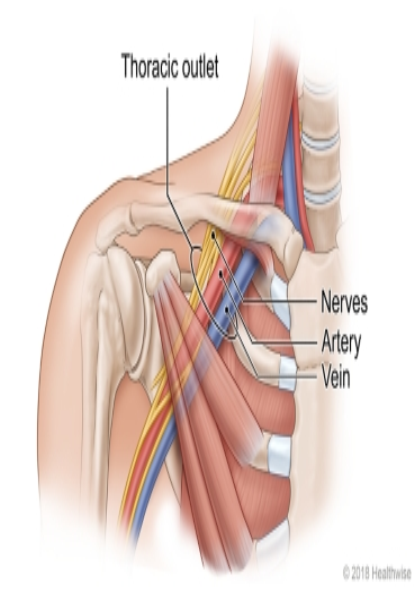
Thoracic outlet syndrome.

 Just below the clavicle at a point it turns towards the shoulder, the Subclavian artery the subclavian veins and all the nerves arise from the brachial plexus, enter the chest wall and course down the medial side of the arm. There is just enough room for the structure to pass. In an abnormal situation like fracture of the clavicle and hematoma formation, a cervical rib and osteoma of the first rib that space becomes too tight for these structures and pressure on artery produce pain in the arm and hand, pressure on the vein swelling of hand and forearm and bluish discoloration of fingers, Pain over the nerve produces tingling numbness of fingers and muscle weakness. The pressure must be relieved by surgery to prevent permanent damages to the hand.

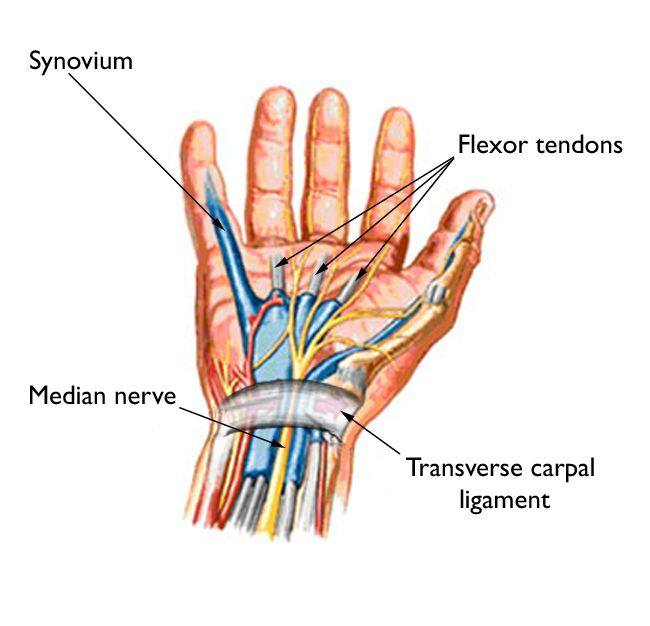
Carpal tunnel syndrome.

 This is another syndrome like the thoracic outlet syndrome due to anatomical peculiarity at the flexor surface of the wrist. The median nerve on the way into the palm of the hand has to negotiate through a narrow passage in between wrist bones- Pisiform laterally and Hamate and Capitate inferiorly and a strong transverse carpal ligament anteriorly. Pain, specially at night, numbness and tingling are the initial symptoms felt in the hand and fingers, at times the pain is felt in the forearm. Later weakness of fingers and thumb, muscle atrophy and ultimately claw hand develops. The causes of Carpal tunnel syndrome are several - Unaccustomed weight bearing, repeated flexion and extension of the wrist, pregnancy, fracture of wrist bones and malunion of fractures, synovitis of the flexor tendons, hypothyroidism and myxedema, rheumatoid arthritis, amyloidosis, sarcoidosis, acromegaly and leukemias.

Tarsal tunnel syndrome. Just like carpal tunnel syndrome, Tarsal tunnel syndrome may develop at the ankle joint. Symptoms and causes are practically the same except for the site.

Inappropriate ADH secretion. Blood volume and serum osmolarity are maintained by feedback loops on the control center located in the hypothalamus and posterior pituitary gland. In lower blood sodium concentration and excess water content of blood (low osmolarity), no Anti Diuretic Hormone (ADH) should be released from the posterior pituitary. But if ADH is still released in such a condition, the situation is called Inappropriate ADH secretion. The causes are many, however, Lung cancer, encephalitis, meningitis, subdural hematoma are main causes.

Syndrome X. Syndrome X is due to abnormal microcirculation of the coronary arteries or coronary vasospasm, which results in Angina pectoris.

Syndrome of apparent mineralocorticoid excess, This syndrome is due to 11 beta hydroxysteroid dehydrogenase deficiency inherited on an autosomal recessive mode. Symptoms are early onset of hypertension in childhood, low serum potassium and metabolic alkalosis.

Metabolic syndrome. Metabolic syndrome is a more recent entry in the syndrome category; previously the components of this syndrome were known as essential hypertension, hypercholesterolemia, obesity and diabetes mellitus. Under the new name, those previous entities are refined and redefined, instead of hypercholesterolemia, it is now low HDL cholesterol and high triglyceride. Obesity is now abdominal obesity, Diabetes is replaced by above impaired fasting blood glucose. People with Metabolic syndrome are at high risk of developing coronary arterial disease, diabetes mellitus and cerebrovascular accidents.

Stokes - Adam syndrome. This syndrome was well established a century ago, when physicians used their well cultivated skill of observation and taking pulse over several minutes. Main features of Stokes-Adam syndrome are sudden loss of consciousness, and fall to the ground and having epileptic seizures due to complete heart block ( third degree in new definition) and a pulse rate of 35 or below. Ventricular fibrillation and ventricular tachycardia also unconsciousness and seizures. At one time it was called Cardiac seizure and that name was better known than Stokes-Adam syndrome.

Long Q-T syndrome. This is an electrocardiogram finding. The time interval between the beginning of the q wave and the end of the T wave on the tracing of an ECG (EKG) is normally 0.43 millisecond when the heart rate is 72/ minute. In a slower heart rate, the Q-T interval increases predictably. In several cardiac diseases and quinine, procainamide, digitalis, over-the-counter cold medicines and many other medications can cause undue prolongation of Q-T interval. The longer the interval, the greater chance there is of Ventricular ectopic beats and precipitation of ventricular tachycardia and ventricular fibrillation. A particular form of multifocal and multidirectional ectopic ventricular beats called Torsades des pointes (a French word, meaning twisting around points) is a forerunner of Ventricular fibrillation and death.

Torsades des pointes

Sick sinus syndrome. This is another very significant ECG finding. The natural cardiac pacemaker is the sinus node. In oxygen deprivation from any reason, electrolyte imbalance and certain medications, the sinus node fails to generate the electrical pulse wave for the heart muscle to contract. This can manifest as slow heart rate over 3 seconds, 1st, 2nd, and 3rd degree heart block. These changes are variable and in some cases variable cardiac block can be intermittent. To detect the condition, a special cardiac monitor is used, which can trace every cardiac beat and record on a preset program. This allows closer examination of any abnormal heart beat and suitable treatment can be offered – often a pacemaker. Main symptom of sick sinus syndrome is missing a heart beat, irregular pulse, palpitation, fluttering sensation in chest, confusion and loss of balance and fall.

Goodpasture syndrome. Goodpasture syndrome is an example of how an antibody, generated to fight an unidentifiable infection, mistakes its own kidneys as foreign and attacks the collagen tissue present in the basement membrane of glomeruli and walls of alveoli of lungs, results in hemorrhage in the kidney and lungs. Main symptoms are bloody urine and coughing out of blood. Other significant symptoms are shortness of breath, chest pain, fatigue, anemia, high BP, fatigue, nausea and vomiting. It is a major illness and requires immediate medical attention.

Alport syndrome. Alport syndrome is a multisystem inherited disorder involving collagen IV tissue and results in renal failure, deafness and visual impairment. The defective gene is carried on the X chromosome. Male child develops glomerulonephritis at an early age and progresses rapidly and unless treated, dies by age 40, females are less frequently affected and the disease progresses slowly.

Nephrotic syndrome. Nephrotic syndrome is a stage in renal failure that arises from protein losing glomerulonephritis. Presence of a large amount of protein in the urine makes urine foamy, hypoalbuminemia produces puffy eyes, pale puffy face, ankle edema and scrotal edema. With the further progression of disease, ascites and plural effusion are seen. Anemia, fatigue, weight gain from accumulated water develop. Intercurrent infection is common.

Carcinoid syndrome. In a previous blog, carcinoid syndrome was discussed in detail. See footnote.

Carcinoid syndrome is due to the production of many polypeptides which have hormone like effects released from one variety of neuroendocrine tumor. Carcinoid tumors generally arise in the small intestine, stomach, colon, appendix, rectum and liver and pancreas, and also arise in the bronchial tree of the lung. Carcinoid secretes serotonin, histamine, kallikrein, tachykinins and prostaglandin. These are potent vasodilators and produce intense vasodilatation, hypotension, watery diarrhea, asthma like bronchospasm and intense flushing of the face and body. The tumors are small and can be benign or malignant, but pathologically can not be determined whether a tumor is benign or malignant. In malignant variety, the tumor metastasizes in the liver.

Dumping syndrome. Dumping syndrome is a number of gastrointestinal symptoms that occur a few minutes after a meal. Vagotomy and reducing stomach capacity by surgery are the principal causes of Dumping syndrome. Following any such stomach surgery, the food leaves the stomach prematurely and enters the duodenum in large amounts overstretching the duodenal wall, causing upper abdominal crampy pain, sense of abdominal fullness, nausea, diarrhea, weakness and lightheadedness. And later develops palpitation and rapid heart beats.

Short bowel syndrome. Certain medical illnesses require taking out a part of the small intestine. The small intestine becomes shorter. This changes the absorptive capacity of the small intestine and patients develop loss of weight and nutritional deficiency. Crohn's disease and ischemic bowel are most common causes.

Zollinger-Ellison syndrome (Z-E Syndrome). Z-E syndrome is due to Gastrin producing tumor - Gastrinoma of the duodenum or pancreas. Gastrin stimulates gastric acid production. The majority of Z-E syndrome cases are spontaneous in origin but 25 % are due to Multiple endocrine neoplasm of type 1(MEN1). Several complications generally develop and are pretty serious – gastric perforation and profuse Gastric bleeding, esophagitis and esophageal atresia.

Budd Chiari syndrome. This syndrome is due to hepatic vein thrombosis,  which produces liver enlargement, upper abdominal pain, hepatic necrosis, followed by centrilobular fibrosis and jaundice and liver failure. Patients may develop this condition due to a hypercoagulable state from inherited conditions like Factor V Leiden, Protein C and S deficiency or from acquired conditions like myeloproliferative disorders or Paroxysmal Nocturnal Hemoglobinuria.

Sjogren syndrome. This syndrome is named after a Swedish physician, Dr Henrik Sjögren, who reported cases of chronic arthritis associated with dry eyes and dry mouth. It is an autoimmune disease producing chronic lymphocytic inflammation of salivary and lacrimal glands. The microvascular and ductal blockage results from inflammation, which produces dryness. In addition, exocrine glands of the skin, GI tract, joints, lungs, CNS and kidneys are involved. Arthritis of the hand resembles rheumatoid arthritis. ANA blood test is positive over 1:256 dilution and in addition SS-A, SS-B and RP serology are positive. Sjögren's patients run a risk of B-cell lymphoma (non-Hodgkin lymphoma) and antiphospholipid antibody production results in vascular thrombosis.

Gillian Barry syndrome. This is an example of an Autoimmune nervous system disease. Antibodies attack the myelin sheath of the peripheral nerve and the damaged sheath eventually damages the core nerve fibers of axons. Peripheral neuritis causes weakness of muscles of the limbs, muscles of respiration and face. What triggers antibody production is not known but a viral infection is likely. From the onset of symptoms of muscle weakness and tingling, numbness and pain, the disability reaches its maximum in 3 weeks, and respiratory failure develops.

Pickiwian syndrome. Nearly 200 years ago, the Author Charles Dickens in his famous publication “The posthumous papers of the Pickwick club” described obese individuals who were awake but hypoventilate due to reduced sensitivity to hypercapnia of the respiratory center and frequently dozed off. Pickiwian syndrome is chosen to honor Dickens's astute observation of human nature. People with this syndrome have a BMI over 30 kg/square M. Fat accumulates around the neck, chest, and upper abdomen, and have a blunt respiration drive even in the presence of the strongest stimulus, respiratory acidosis and hypercapnia. Leptin insensitivity explaining the reason for obesity.

Premenstrual syndrome. Million of women suffers irritability, mood changes, weight gain and puffiness of face and hands and feet before the menstrual flow begins. These symptoms are due to hormonal changes necessary to induce shedding of extra growth of the endometrium, which developed in anticipation of fertilization of an ovum and the beginning of pregnancy.

Congenital Myasthenia syndrome. This syndrome is inherited by an autosomal recessive pattern, and also rarely by an autosomal dominant mode. Weakness of muscles of the eyelids, eye muscles that move the eyes, muscles of chewing and swallowing are commonly affected. Repeated movements make weakness worse. Mutation of CHRN gene is responsible for over 50 % of cases, the rest of the cases are due to mutation of RAPSN, CHT, COLQ, DBC7 genes. Children fails to suck breast milk. Swallowing and any normal physical activities are affected. Severity of disabilities varies depending upon the mutated genes. All these genes are responsible for providing the codes of protein synthesis required for the normal functioning of the transmission of nerve signal across the neuromuscular junction.

Eaton-Lambert syndrome. Eaton-Lambert syndrome is an autoimmune disease. Immune system produces antibodies which mistakenly attack the Calcium Channels on the nerve endings. This results in fewer functional pathways for nerves to deliver signals to the effector sites involving both somatic and autonomic nervous system. In contrast with Myasthenic syndrome, repeated action improves muscle functioning. Small cell carcinoma of the lung is the most commonly responsible for this syndrome, other malignancies also can produce this syndrome. The leg muscles are commonly affected; the effects of the autonomic nervous system can be severe in the cardiovascular system and the urogenital system.

Wernicki - Korsakoff syndrome. This syndrome is a combination of Wernicke encephalopathy and Korsakoff psychosis. Chronic alcohol abuse is the underlying cause of Vitamin B1 deficiency, which is the cause of this syndrome; however, other nutritional deficiencies are associated. The symptoms are - inability to develop memory of current events, confabulation and talkativeness, lethargy, confusion and coma. MRI shows atrophy of the thalamus, hippocampus, hypothalamus and enlarged ventricles. The symptoms are reversible if treatment can be started before Wernicki encephalopathy sets in.

Ramsey Hunt syndrome. This is a special case of Shingles. The one side of the face develops palsy of lower motor neuron type and is associated with vesicular rashes on the external auditory canal, pinna, mucous membrane of the oropharynx. This is due to reactivation of Varicella - zoster virus (chicken pox virus). The symptoms are pain in the ear, deafness, tinnitus, vertigo, balance and ambulatory difficulties.

Loeffler's syndrome. Loeffler's syndrome is due to a very high eosinophil count in the blood, associated with infiltrate of eosinophils in the lung tissue producing pneumonia like symptoms and bronchospasm. In early days, it was due to ascaris lumbricoides parasitic infestation when Ascaris larvae wandered around to find their final residing place in the small intestine. The allergic reaction generated an eosinophilic immune reaction. Now other parasites are known to produce similar reactions during their tissue migration.

Waterhouse-Feldman syndrome. Waterhouse-Feldman syndrome is a real emergency situation during a meningococcal meningitis with bilateral adrenal hemorrhage due to toxemia. It produces acute adrenal insufficiency manifested as shock, hypotension, vascular collapse and cerebral, renal and pulmonary inefficiencies. Many other bacterial and viral infections are also known to produce this syndrome. Immediate intervention to normalize blood volume and tissue oxygenation must be instituted and intravenous corticosteroids are administered along with antibiotics and other therapeutic agents.

Gilbert syndrome. This is an inherited benign liver condition involving high blood unconjugated bilirubin level causing jaundice. Other parameters of liver functions are all normal and no treatment is required.

Osler-Weber- Rendo syndrome. This is also known as Hereditary Hemorrhagic Telangiectasia. This is inherited in an autosomal dominant mode. It is due to the presence of multiple gene mutations. Arteriovenous malformation is present on the skin, mainly on the face and mucous membrane of the nose, mouth, stomach, GI tract, liver, lungs, spinal cord and brain. Bleeding from involved organs can produce a wide variety of symptoms, bleeding in the brain can be fatal.

Footnote: For further reading see https://humihealth.blogspot.com/Medical matters.

1. Carcinoid syndrome, - Carcinoid and Neuroendocrine tumors. Blog. Medical matters dated 13 June 2011.  2. Loeffler's syndrome. - Round worm Ascaris lumbricoides. Dec 6.2023 3. Korsakoff psychosis. - Speech disorder. Oct,16,202.    4. Sjögren syndrome. - Collagen & mixed connective Tissue diseases. Dcc14,2022.    5. Zollinger- Ellison syndrome. - Peptic ulcers. .Feb 16, 2023   .6. Polycystic Ovary syndrome. Insulin resistanceMarch10,2022.         7. Cushing's syndrome. Pituitary gland. August 20,2021. + Adrenal gland Oct22,2021.                                             8. Rumsey Hunt syndrome. Chicken pox Feb 16, 2023,    9. Myasthenic syndrome. Neuromusculat transmission, Dec22,2022.   10. Milk- Alkali syndrome. Kidney stones April 16, 2022.

revised; September 2025.

**********************************************************

Saturday, September 28, 2024

Cyst


                                                                        Cyst:

                                                               P.K. Ghatak, MD


What is a Cyst:

A cyst is a closed sac found anywhere in the body that may contain fluid or any other material - pus, blood, air/gas, or other substances. A cyst has a complete wall, and the wall may be composed of one or more layers. The fluid-filled cysts, in general, have an epithelial lining. Cyst, unable to drain its content because it had no duct.

Types of Cysts:

1. Congenital. 2. Infective. 3. Retention. 4. Malignant.

Congenital Cysts: Examples are Renal, Hepatic, Intestinal cysts,

How congenital cysts develop. - Those organs, like the liver and kidneys, have two sources of origin during the embryonic stage. In the end, two developed structures are joined together and the partition wall is absorbed, making it a functional organ. When one or more points of union between them fail to disappear, fluid accumulates. In the case of the liver, bile accumulates and urine in the case of simple renal cysts.

Infective Cysts: Example - Lung abscess.

Any infectious or Inflammatory process begins with the accumulation of WBCs, macrophages and platelets at the site of infection. To limit the spread of infection, the cellar layer acts as a barrier. This cell wall is gradually replaced by a fibrous wall. The enzymes released from the inflammatory cells dissolve the cells into a paste called Pus. This pus filled cystic structure is known as an abscess.

Retention Cysts: Example – Salivary cysts.

Inside the mouth, salivary glands of various sizes are present. One of the salivary gland ducts may be injured by dentures, a fish bone, or a chicken bone. An inflammation begins and the wound heals by fibrosis. Fibrosis may completely block the duct and saliva accumulates, resulting in a cyst formation

Malignant Cysts: Example – Cystadenoma of the nasal sinuses and lungs.

One of the mucous glands of the sinus or the lung may turn into a cancer. Some cancers retain glandular structures called cystadenoma, and other cancerous glands turn into anaplastic cancer.

Special cysts:

A few are discussed here.

  1. Sebaceous cysts.

Sebaceous cysts arise at the dermatomal junction due to accidental invagination of sebum secreting cells under the surface skin layer. The common sites are the temple, the head and the back.

These cysts are slow growing and painless. The wall is thick and fibrous and as a cyst grows, it raises the overlying skin. The cyst contains sebum. It looks like soft cheese and has an offensive odor. The cyst is attached by a long stalk to the deeper layer of the dermatome or to the suture lines of craniofacial bones.


Dermatomes junction where sebaceous cysts are seen


  1. Hemorrhagic cyst of the liver.

There are several reasons for the development of hemorrhage inside a hepatic cyst. Some hepatic cysts are estrogen dependent and bleed when women are on birth control pills. There is a sudden increase in the size of the cyst and the tense cyst wall causes sudden upper abdominal pain. When a cyst ruptures, the pain intensifies and is felt over a wider area of the abdomen. Bleeding may not be controlled by itself and patients may go into shock. Immediate surgical intervention may be necessary.

  1. Polycystic disease of the kidney.

This is an autosomal dominant mode of transmission of inherited disease. Patients are generally middle-aged individuals, who present with severe hypertension, which is not controlled by medications. A kidney transplant is necessary to control BP. Ultrasound study of the abdomen is diagnostic and for confirmation, a CT angiogram is generally performed. Polycystic liver is often associated with this condition.

  1. Cysts of the peritoneal cavity. Several types of Cysts are present in the peritoneal cavity. A cyst may originate from the mesentery, the peritoneum, or the GI tract. Besides sonography, other images are necessary, including MRI to diagnose cysts of the peritoneum. Based on locularity, wall thickness, partition walls, consistency of content and presence of calcification may narrow the preoperative diagnosis. But at laparotomy a definitive diagnosis is often made – such a cyst may be serous, chylolymphatic, or lymphangioma.

  1. Polycystic disease of the ovary.

If an ovary contains more than 20 cysts (follicles), it is termed polycystic ovary; if in addition, the woman has hirsutism and insulin resistance, an excess of androgen hormone activities and disruption of the anterior pituitary negative feedback loop, then the condition is called Polycystic Ovary syndrome. It is an autosomal dominant inherited disease. Patients have scant menstruation, infertility, facial and body hair of male pattern, diabetes mellitus 2, hypertension, obesity and more incidence of cardiovascular disease. If not properly treated, generally develop endometrial carcinoma.

6. Chocolate cysts of Ovary.

In endometriosis, the endometrial tissue may be deposited on the ovaries. The autoimplant tissues grow into cysts and bleed inside, coinciding with menstruation. These cysts are dark and are relatively large.

  1. Hydratic cysts. Echinococcus is a tapeworm that infects dogs, sheep and nearly all wild carnivorous mammals. In the dog's feces, infective cysts are present. When dogs' feces contaminate food and drinks and humans swallow these infected cysts, the larvae emerge in the stomach and spread out in various organs. Because humans are not definitive hosts, these larvae can not develop further and become cysts but continue to grow and produce daughter cysts and become multilocular cysts. The burden of the parasitic cysts is borne by the liver, lungs, muscles and brain. As these cysts grow, they produce obstruction of the flow of bile in the case of the liver and produce obstructive jaundice. In the brain, obstructed CSF (cerebrospinal fluid) circulation results in Hydrocephalus. Increased intracranial pressure becomes a serious medical problem. To cure, one or the other surgical procedure is required.

  1. Cysticercosis. Tenea solium is a tapeworm and it infects pigs. Infected animal muscles and tissue containing many infective cysts. When uncooked or lightly cooked meat humans ingest, these cysts hatch into larvae and the larvae are carried by blood to the liver, the brain and other tissues. In these organs, the larva develops into cysts. Like hydatid cysts, cysts are multilocular and increase intracranial pressure. Usually, in untreated cases, the walls of the cysts are calcified.

  1. Amoebic cystic abscess of liver and lungs. In tropical countries, humans are frequently infected by Entamoeba histolytica. Amoebic dysentery is the usual manifestation and amoeba burrows in the wall of the colon, producing colon ulcers and colitis. Occasionally amoeba are carried by blood to the liver and a liver abscess is formed. Adhesion develops between the upper surface of the right lobe of the liver and the right dome of the diaphragm. Amoeba enters the pleural cavity and produces empyema and also lung abscesses.

  1. Hydrocele. The covering of the testicle, which maintains fluid content. When fluid balance is disrupted and excess fluid accumulates in the testicular sac, it is called a hydrocele. Surgery is required to cure.

  1. Meningocele. Meningocele is a neural tube defect that develops during the early embryonic stage. Various degrees of severity, from simple meningocele with cerebrospinal fluid cysts associated with no neurological symptoms to herniation of the brain tissue with neurological complications, are seen. Treatment is surgical.

12. Myelomeningocele. The spinal neural arch fails to close completely and the condition is called spina bifida. It is often associated with herniation of spinal nerve tissues and CSF. The condition is called Myelomeningocele. Various degrees of neurologic defects and urinary symptoms are usual. Treatment is surgical but significant debilities remain after a successful surgery.

*********************************************

Archive

  Archive. P.K.Ghatak, MD ghatak3@gmail.com 2025  March. Laser Endoscpoe 2025 February. Use of Ultrasound in Medicine MRI 2025 January. Bact...